If you have ever looked closely at a child’s newly grown front teeth and noticed what looks like small bumps or a slightly jagged edge along the biting surface, you were looking at mamelons. Many parents see this and immediately worry that something has gone wrong — that the teeth came in chipped, or that there is some kind of developmental problem happening. Dentists hear this concern constantly in their clinics.
The good news is that mamelons are one of the most normal things in dentistry. They are not damage. They are not a sign of poor nutrition. They are not caused by anything the parent did or did not do during pregnancy. They are simply a natural feature of how permanent teeth form, and in most cases they disappear on their own without anyone needing to do a single thing about them.
But mamelons do not always go away. And when they stay visible into adulthood, that is when questions become more important. Are they just cosmetic? Do they point to a bigger problem? What can be done if someone wants them removed? And at what point should a person actually call a dentist rather than just hoping for the best?
This article answers all of those questions in full, starting from the very beginning — what mamelons actually are — through to when they genuinely need professional attention, and what the removal process looks like for those who choose it.
What Mamelons Actually Are and Where They Come From
What Mamelons Actually Are and Where They Come From
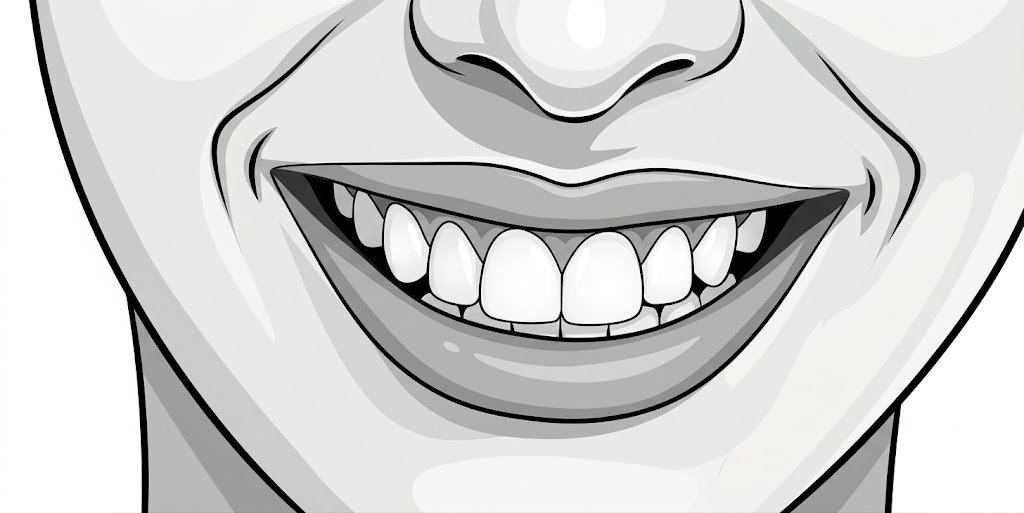
The word mamelon comes from the French word for nipple — a reference to the small, rounded shape of each projection. In dental terms, mamelons are the tiny, rounded bumps that appear along the biting edge of permanent incisor teeth when they first come through the gum. They give the tooth edge a scalloped or serrated look, similar to the edge of a leaf or the ridges on a steak knife. Most people have never heard the word until a dentist mentions them, but the feature itself is something almost everyone has had.
Mamelons form on permanent teeth before a person is even born. They may help the teeth break through the gums once the child reaches the right age. This is an important point that surprises many people. The development of mamelons begins during pregnancy, deep inside the jaw, long before a baby’s first tooth ever appears.
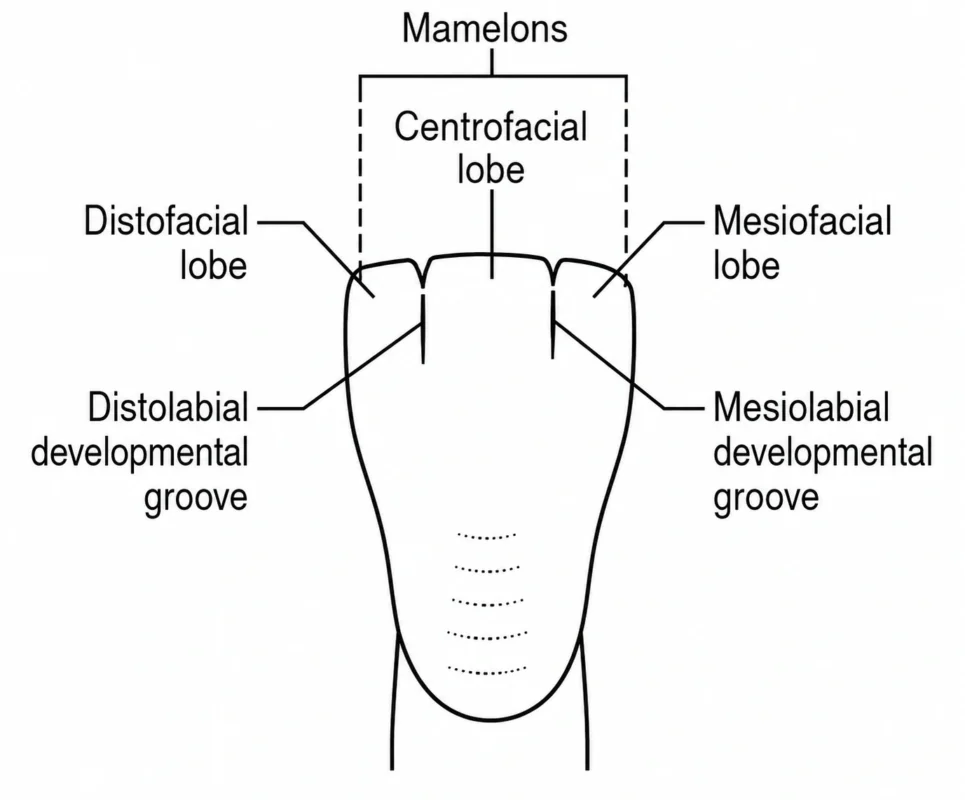
To understand why mamelons exist, it helps to understand how teeth actually form. Each permanent incisor develops from several groups of cells called dental lobes. Three different groups of cells develop to form the incisal edge of these front teeth. As they fuse together, they create three lobes of enamel on the erupting edge of the tooth. It is these lobes, or bumps, that give the teeth a serrated appearance.
So each bump you see along the biting edge of a front tooth represents one of those developmental lobes. The three bumps together tell you that the tooth formed correctly — three lobes developed, fused, and produced a single intact tooth. In that sense, mamelons are not a flaw in the tooth. They are actually evidence that the tooth formed the way it was supposed to.
Mamelons are small, rounded bumps on the edge of permanent, adult incisors — the front teeth — that are a normal part of dental development, explains Cheen Loo, BDS, PhD, MPH, DMD, FAAPD, Chair and Professor of Pediatric Dentistry at the Tufts University School of Dental Medicine. They are usually three to five rounded edges that resemble a scalloped shell.
Over 90% of incisors have three mamelons on them when they break through the gum. That means the overwhelming majority of children who grow permanent front teeth will have them. They are far more common than unusual. The fact that most adults no longer have visible mamelons is simply because the bumps wear away through normal use, which is exactly what they are designed to do.
It is also worth knowing which teeth are affected. Mamelons only appear on newly erupted incisor teeth. That means the eight front teeth — four on top and four on the bottom — are the only ones where mamelons ever appear. You will never find them on molars, premolars, or canine teeth. If bumps appear anywhere else in the mouth, they are something different entirely and worth checking with a dentist.
Because mamelons are composed of enamel, without the underlying dentin layer found in the body of the tooth, they can appear translucent or a bit different in color. This slight translucency at the tips of the front teeth is completely normal and is simply a result of the thin enamel in those areas having no dentin beneath it to give it the warmer, more opaque color of the rest of the tooth.
A 2024 cross-sectional study published in Cureus — one of the most recent major studies on the subject — found that a total of 60.8% of teeth showed the presence of mamelons. Typical three mamelon configurations with lobes of similar size constituted the majority at 53%. The study, which looked at participants across multiple age groups, confirmed that the presence of mamelons showed a significant reduction with age, and malocclusion could lead to the retention of mamelons even in higher age groups.
Feature
Detail
Where they appear
Biting edge of permanent incisors only
How many per tooth
Usually three, occasionally up to five
What they are made of
Enamel, same as the rest of the tooth surface
When they form
During fetal development, before birth
When they first become visible
When permanent front teeth erupt, typically ages 6 to 8
How common they are
Present on over 90% of newly erupted incisors
Why Mamelons Form the Way They Do
Why Mamelons Form the Way They Do
People often ask why teeth bother developing mamelons at all if they wear away. The answer connects to how teeth actually push through the gum tissue, and it reveals that mamelons may serve a practical purpose beyond simply being a byproduct of tooth formation.
Mamelons are the result of healthy teeth formation. Teeth develop during pregnancy, and mamelons are the result of the merging of different formation processes. They are actually formed on your permanent adult teeth before you are even born, and help your teeth break through the gum tissue when it is time to do so.
Think about what a tooth needs to do when it erupts. It has to push through the gum tissue, which is firm, fibrous tissue that does not simply part on its own. A tooth with a pointed, serrated edge is far more effective at cutting through that tissue than a tooth with a perfectly flat, blunt edge would be. The three bumps that make up the mamelon configuration give the erupting tooth a kind of serrated cutting surface that makes breaking through the gum considerably easier. Once the tooth is through and begins meeting the opposing teeth during chewing, those bumps are no longer needed for that purpose, and they begin to wear down.
One dentist explains: “I have seen many worried parents bring their children in, thinking their new adult teeth are chipped or jagged. These ridges, called mamelons, are actually hallmarks of healthy development. They represent the different lobes of enamel that fused before the child was even born. I often describe them to patients as nature’s serrated edges, specifically designed to help the teeth break through tough gum tissue during eruption.”
This is an important framing for parents who are concerned when they first see their child’s permanent teeth come in looking bumpy. The bumps mean the tooth formed correctly from three separate lobes. A tooth that comes in with perfectly smooth, flat edges from the very beginning would actually be the unusual one.
The 2024 Cureus study also noted that mamelons are small projections on the incisal edge of permanent incisors, exhibiting age-related changes. Gender, occlusion, and functional usage of teeth significantly impact the rate of mamelon wear, providing further insight into the importance of mamelons as indicators of dental and occlusal health. This is a particularly interesting finding because it suggests that how quickly mamelons wear away can actually tell a dentist something useful about how a person’s bite is functioning, which is why dentists pay attention to whether mamelons are still present in older patients.
The Main Causes of Mamelons and Why Some People Keep Them Longer
Since mamelons are a universal feature of newly erupted incisors, the more interesting question is not why people get them but why some people keep them when others do not. The answer comes down to a few key factors, and understanding them helps explain why a person in their twenties or thirties might still have clearly visible mamelons when most adults have smooth incisor edges.
How the Teeth Form The Root Cause
How the Teeth Form The Root Cause
The fundamental cause of mamelons is simply the three-lobe structure of how incisors develop. This is not something any person causes or prevents. It is built into the biology of human tooth development. Every permanent incisor forms this way. The difference between people lies not in whether they have mamelons but in whether the mamelons have worn away yet.
Normal Chewing and Contact Wear
In a mouth with a normal bite, the upper and lower front teeth make contact regularly during chewing. Every time the teeth close and meet each other, the edges rub slightly against opposing enamel. Over months and years of this contact, the enamel tips of the mamelons gradually smooth away. Dr. Loo says that mamelons are most noticeable in children when permanent teeth first erupt, and they tend to wear away and flatten out over time with normal chewing function. Normal eating and chewing habits tend to smooth out mamelons by the late teens.
This natural wear process is why most adults do not have visible mamelons even though they certainly had them as children. The teeth did their job.
Bite Alignment — The Most Significant Factor in Retention
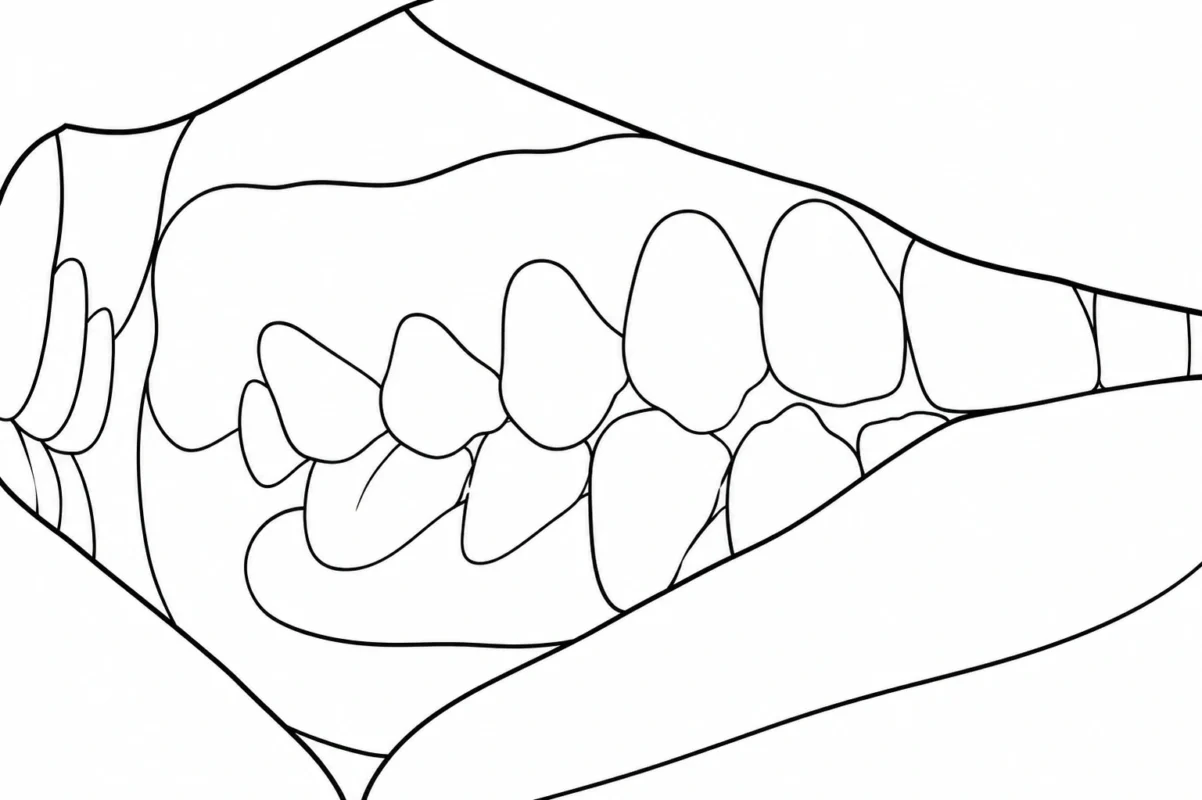
The most clinically important reason mamelons persist in adults is a bite problem. When the upper and lower front teeth do not properly meet during chewing, those edges never rub against anything, and so they never wear down. One dentist explains: “If I see an adult with prominent mamelons, it is often a diagnostic red flag for a bite issue, such as an open bite. Since the teeth do not touch during chewing, those ridges never wear down, signaling an alignment problem that might need an orthodontic look.”
Several types of bite misalignment prevent normal incisor contact and therefore allow mamelons to persist:
Bite Problem
How It Prevents Mamelon Wear
Open bite
Front teeth do not touch at all even when the mouth is closed
Deep bite
Upper teeth overly cover the lower, changing how edges contact
Crossbite
Upper teeth sit behind lower teeth, altering contact patterns
Underbite
Lower jaw sits forward of the upper, preventing normal incisal contact
Crowding or spacing
Teeth not aligned enough to meet opposing teeth during normal biting
Late Tooth Eruption
You may also still have mamelons if your teeth grew in late. When permanent teeth come in later than average, they have had fewer years to accumulate the wear that smooths mamelons away. A teenager whose front teeth came in at age ten or eleven, rather than the more typical six to eight, will have had less time for that natural grinding process to work.
Genetics and Enamel Strength
Mamelons themselves are not genetic — they are a natural part of a tooth’s formation. However, retaining these ridges beyond adolescence may have some genetic influence. Research published in 2023 in the journal Genes says that some people are genetically predisposed to having stronger enamel. While this inherited trait is beneficial — stronger enamel reduces the risk of tooth decay — your teeth will be more resilient to the daily wear and tear that smooths out mamelons.
In other words, if a person has particularly hard, dense enamel by genetic inheritance, their mamelons may resist the normal grinding process longer than someone with softer enamel. It is not that their teeth are healthier or unhealthier — their enamel does not wear at the same rate.
Soft Diet Over Time
Certain bite patterns prevent the teeth from rubbing against each other, and a softer diet may not create enough friction to smooth them out. People who eat predominantly soft foods throughout their lives generate less mechanical wear on the incisal edges of their teeth. The mamelons, which depend on repeated contact and friction to smooth away, may therefore remain more prominent than they would in someone whose diet includes more crunchy, firm foods that require actual incisal biting.
Habits That Speed Up or Slow Down Wear
Some habits can accelerate the natural wear of mamelons — and others have no meaningful effect. Some behaviors can accelerate typical mamelon wear, such as teeth grinding, biting on nails or ice, or other habits that wear away at enamel, like drinking a lot of soda. While these habits do wear away mamelons faster, they are not recommended as a strategy for removing them because they cause other, more significant types of enamel damage in the process.
What Mamelons Look Like and How to Recognize Them
What Mamelons Look Like and How to Recognize Them
Most parents and adults who notice mamelons for the first time describe them in very similar ways — jagged edges, bumpy teeth, a serrated look like a saw or knife edge, or teeth that look chipped. Understanding exactly what mamelons look like helps people recognize them confidently and avoid unnecessary worry.
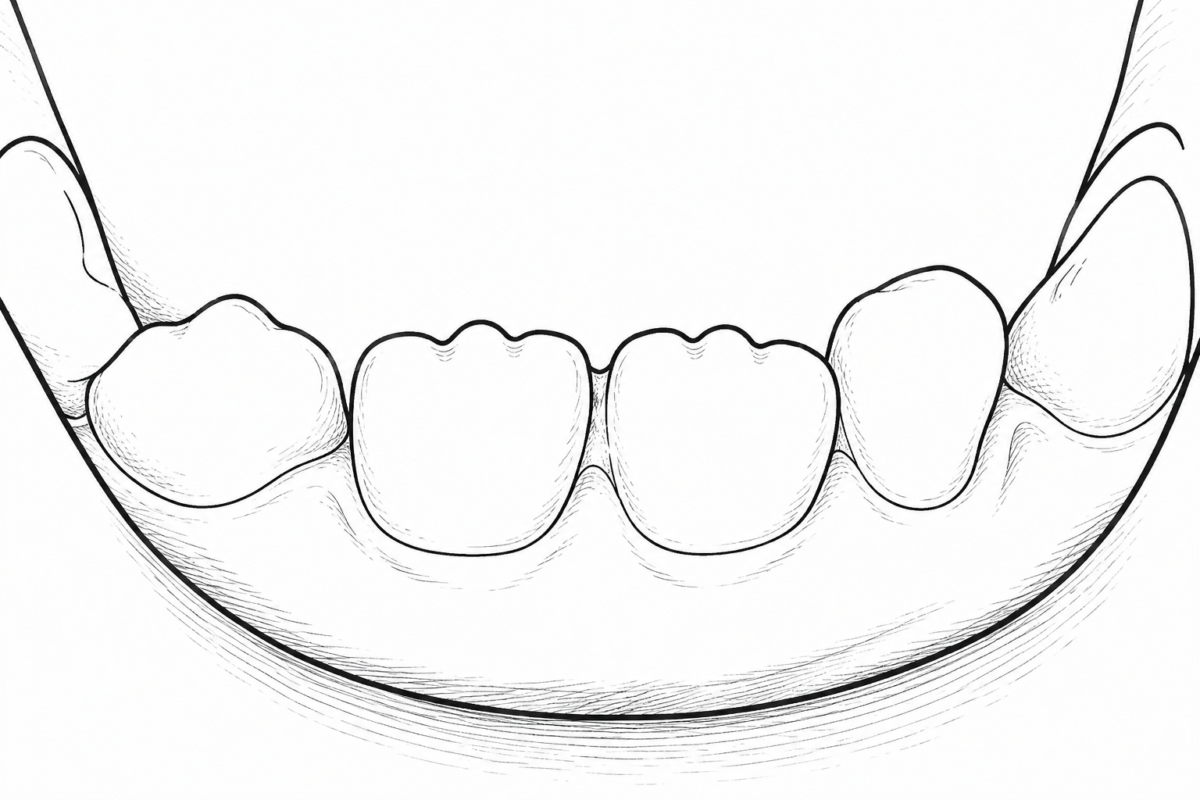
Mamelons appear specifically along the incisal edge — the very tip of the biting surface of the front teeth. They do not appear on the flat front surface of the tooth, on the sides, or near the gum line. The bumps sit right at the very edge where the tooth would make contact with food during biting.
There are typically three bumps per tooth, though in some people there may be as many as five. When all three bumps are present and roughly equal in size — which the 2024 Cureus study found to be the most common pattern at 53% of cases — the edge of the tooth has an evenly scalloped appearance, like the decorative edge of a pie crust or the ridges on a shell.
The enamel of the mamelons is often slightly more translucent than the rest of the tooth. Looking at the front teeth of a child whose permanent incisors have just come through, you may notice that the very tips appear to have a slightly glassy or see-through quality compared to the rest of the tooth. This is normal and happens because those thin enamel tips do not have the layer of dentin beneath them that the rest of the tooth has, and it is dentin that gives teeth their warmer, more opaque color.
Signs that what you are seeing is likely mamelons and not damage:
The bumps are on the biting edge only, not on the flat face of the tooth or at the gum line
There are three bumps per tooth in a regular, even pattern
The bumps appear on the permanent front teeth of a child aged 6 to 14
The bumps are smooth to the touch rather than sharp or rough
They appear on multiple teeth, not just one
The tips of the teeth look slightly translucent
Signs that suggest what you are seeing may be something other than mamelons and are worth checking with a dentist:
The edge of the tooth looks uneven, but only on one tooth, while the others look normal
There is a single notch or break rather than three even bumps
The edge looks rough, jagged, or has a sharp point that causes discomfort
The bump or change in shape appeared suddenly, not gradually, as the tooth was coming in
There is pain or sensitivity associated with the area
When Mamelons Are Completely Normal and Nothing to Worry About
The vast majority of people who notice mamelons — whether on their own teeth or their child’s — are looking at something that is entirely normal, requires no treatment, and will resolve on its own. Understanding when mamelons fall into this completely normal category helps avoid unnecessary dental visits and unnecessary worry.
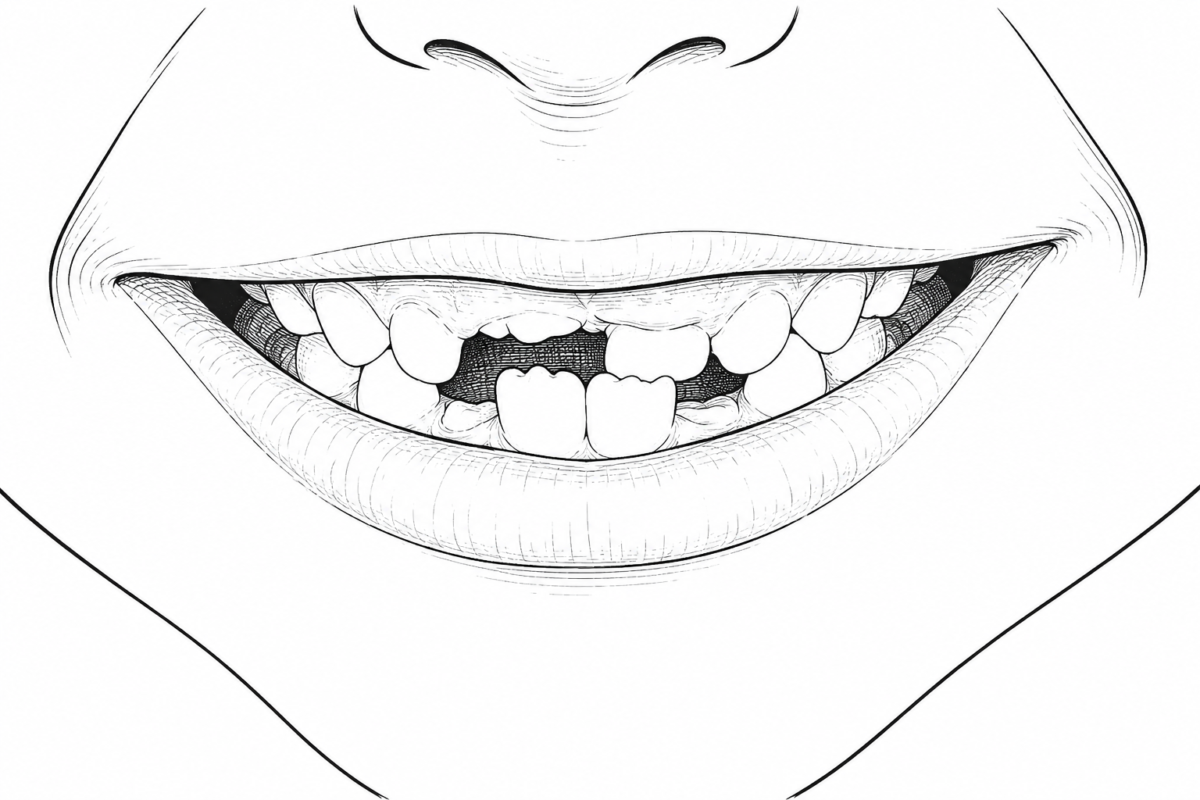
Mamelons are normal on newly erupted permanent teeth and usually wear down over time. For children whose permanent front teeth have recently come in — typically between ages six and twelve — visible mamelons are expected and completely healthy. A child with bumpy front teeth at age eight is displaying a completely normal dental development feature, and parents who see this have no reason for concern.
It is quite normal, as an adult, to see traces of the lobes. Past research has shown that about 5% of people have mamelon ridges on their teeth in their 50s, but trace mamelons may be much more common. This means that even adult mamelons, in the absence of any bite problem, are simply a variation of normal and do not indicate any health issue with the teeth.
Mamelons almost never require dental attention. In rare cases, they may interfere with bite or indicate orthodontic issues; however, the choice to remove them comes down to cosmetics.
Situations where mamelons are completely normal and no action is needed:
A child aged 6 to 14 whose permanent front teeth have recently or are currently erupting
A teenager who still has faint mamelon ridges while the teeth are still establishing normal bite contact
An adult who has mild mamelon traces but whose bite is normal and whose teeth meet properly
Anyone who finds the appearance of mamelons acceptable and has no desire to change it
What these situations have in common is that the mamelons are either still in the normal process of wearing away or are present but not causing any functional problem. In all of these cases, the most appropriate course of action is to continue attending regular dental check-ups and allow natural wear to take its course.
Tips for parents watching their child’s mamelons:
Do not try to speed up mamelon wear by encouraging hard biting or grinding — this causes enamel damage
Continue regular dental check-ups every six months so the dentist can monitor whether the bite is developing normally
Make sure the child is eating a varied diet that includes some foods requiring real biting and chewing — not exclusively soft foods
Do not use hard tools, home remedies, or anything abrasive on the teeth in an attempt to file the bumps down at home
Ask the dentist at the next appointment if the mamelons seem particularly prominent or if the child is past age fourteen and they are still clearly visible
When Mamelons Are a Sign of Something Worth Checking
When Mamelons Are a Sign of Something Worth Checking
While mamelons in most cases are completely harmless, there are specific circumstances where their presence — particularly in adults — can be a signal worth taking seriously. This is not about the mamelons themselves being dangerous. It is about what their continued presence can sometimes tell a dentist about what is happening with the bite.
Other studies have supported the hypothesis that gender, occlusion, and functional usage of teeth significantly impact the rate of mamelon wear, providing further insight into the importance of mamelons as indicators of dental and occlusal health.
In practical terms, when a dentist sees a clearly visible set of mamelons in a fully grown adult — particularly in someone in their mid-twenties or older — one of the first things they want to know is whether those front teeth are making normal contact during biting. If they are not, the reason needs to be identified, because bite problems that go uncorrected have consequences that reach well beyond whether the teeth look a little bumpy.
The most important circumstance where visible adult mamelons deserve proper evaluation is when they are combined with any of the following:
An open bite or visibly poor bite contact
If the front teeth clearly do not touch when the mouth closes, or if there is a gap between the upper and lower front teeth during biting, an open bite is present. This is one of the most common reasons mamelons persist in adults. An open bite needs to be assessed by a dentist or orthodontist, not just because of the malocclusion, but because of its effects on chewing function, jaw joint health, and speech.
Jaw discomfort or clicking during chewing
If a person with persistent mamelons also experiences jaw aching, clicking sounds from the joint, or difficulty opening and closing the mouth comfortably, that combination suggests a bite problem significant enough to be affecting the jaw joint. This warrants a proper clinical assessment.
Difficulty biting into food
When front teeth do not meet because of a bite misalignment that is also preventing mamelon wear, the person often has genuine difficulty biting cleanly into food. Tasks like biting into an apple, tearing bread, or cutting through firmer foods with the front teeth are harder than they should be. This is a functional problem — not just a cosmetic one — and deserves professional evaluation.
Speech difficulties
Certain bite problems that prevent normal tooth contact also affect speech. If an adult has persistent mamelons alongside any difficulty producing certain sounds clearly or naturally, the two may be related through a common bite issue that is worth addressing.
Visible asymmetry in how the teeth meet
If the lower jaw shifts noticeably to one side when biting down, or if the teeth look like they meet unevenly on the two sides of the mouth, this suggests a crossbite or other alignment issue. A dentist should assess this regardless of whether mamelons are present, but their presence in this context adds to the picture.
Situation
What It May Indicate
Recommended Action
Child with mamelons aged 6 to 14
Normal development
Continue regular dental visits
Teen with mamelons and normal bite
Mamelons still wearing naturally
Monitor, no action needed
Adult with mamelons and fully normal bite
Cosmetic variation only
Discuss removal options if desired
Adult with mamelons and an open bite
Bite alignment issue
See a dentist or orthodontist for evaluation
Adult with mamelons and jaw pain
Possible bite-related joint stress
See a dentist promptly
Adult with mamelons and difficulty chewing
Possible functional bite problem
Professional evaluation needed
Child with mamelons that seem unusually prominent past age 14
Possible bite contact issue
Mention to dentist at next visit
Treatment Details for Mamelons
When someone decides they want their mamelons removed — whether for cosmetic reasons or because a dentist has recommended it as part of a larger treatment plan — the process is considerably more straightforward than most people expect. There is no surgery involved. There are no stitches. In most cases, there is not even a local anesthetic.
Before any treatment takes place, a dentist examines the teeth carefully and takes X-rays. Your dentist will take X-rays of your teeth to find out exactly where the pulp is. They will schedule your appointment if your tooth is healthy. The reason for checking the pulp location matters because the pulp — the nerve and blood vessel tissue inside the tooth — sits at a certain depth within the tooth. The dentist needs to confirm that the enamel being removed is far enough from the pulp that the procedure will remain safe and comfortable. If there is any sign of decay or gum disease, those issues need to be addressed before any cosmetic reshaping is done.
Before having enameloplasty or any cosmetic dental treatment, a dentist will examine your teeth to make sure they are strong and healthy. Removing enamel on unhealthy teeth can cause irreversible damage. So if you have cavities, gum disease, or other oral health issues, you will need restorative procedures first.
Dental Contouring The Most Common Approach
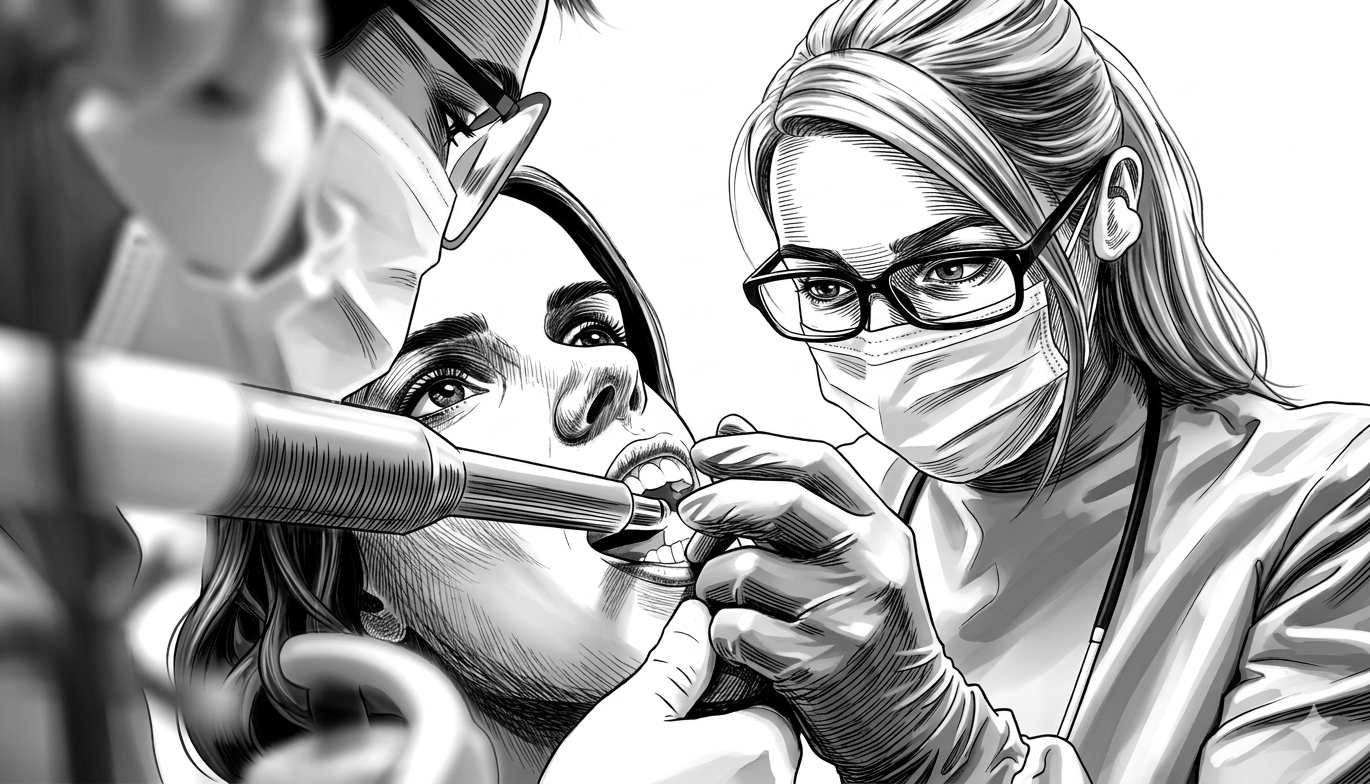
Mamelon removal involves shaving the edges of the teeth. The treatment is a form of cosmetic dentistry known as dental contouring, tooth reshaping, or enameloplasty. This can be done in a dentist’s office. The dentist uses a file, disc, or drill to remove enamel and smooth out the edges. The treatment is painless and does not require a local anesthetic. That is because mamelons are made of enamel and do not contain any nerves.
The absence of nerves in the mammary gland is the key reason the procedure is painless. Unlike cutting into tooth structure that is close to the pulp, trimming the enamel ridges at the incisal edge does not trigger any nerve response. Patients typically describe the experience as feeling the vibration of the instrument and hearing the sound of the tool — not pain.
For those who dislike the wavy look, the fix is a quick process called odontoplasty. We gently smooth the edges with a fine bur to create a straight, mature appearance. It requires no anesthesia and takes only minutes. This is often done for patients immediately after their braces come off to finish their new look. It is a painless smile makeover that boosts confidence instantly without any invasive work.
After the reshaping is complete, the dentist polishes the newly contoured edges to make them smooth and even. The entire appointment is usually short, often less than thirty minutes for all the affected teeth.
What the procedure involves, step by step:
X-rays taken to assess pulp location and overall tooth health
The dentist marks the areas to be reshaped
Fine rotary bur, disc, or laser used to smooth the enamel ridges carefully
Abrasive strips used between teeth if needed to refine the edges
Bite checked to confirm the reshaping has not affected how the teeth come together
Teeth are polished to smooth and finish the edges
Dental Bonding
In some cases, where the teeth have an irregular shape beyond just the mamelon bumps — for example, if the tooth edges are uneven in length as well as bumpy — a dentist may use bonding resin to build up certain areas while smoothing others. This approach is less about removing material and more about reshaping the overall profile of the tooth edge. Bonding uses a tooth-colored composite resin that is applied, shaped, and cured with a light in the dental office. It is still a relatively quick and non-invasive procedure.
Orthodontic Treatment First
When mamelons are present in an adult alongside a bite alignment problem — an open bite being the most common example — simply filing down the bumps without addressing the underlying bite issue would miss the real problem. If mamelons are caused by bite or alignment issues, orthodontic care may help the teeth come into proper contact, allowing natural wear over time.
In these cases, the orthodontist typically treats the bite problem first. Once the teeth are aligned and making proper contact, there are two possible outcomes: the mamelons wear away on their own over time because the teeth are now functioning normally, or if they remain after the bite is corrected, the dentist can remove them quickly at that point.
Often, when an adolescent undergoes orthodontic treatment, the orthodontist can remove the mamelons from the incisor teeth at the time of brace removal. This is also a standard treatment option in pediatric dentistry.
The cost and insurance question
Mamelon removal through dental contouring is generally classified as a cosmetic procedure, which means it is not typically covered by standard dental insurance plans. However, the cost of the procedure is usually relatively modest compared to other dental treatments — the procedure is quick, requires no materials beyond the instruments, and involves no ongoing care. The exact cost varies by location and dental practice. It is always worth asking the dental office about the cost upfront and checking whether your insurance has any cosmetic benefit that might contribute.
Treatment Option
How It Works
Best For
Pain Level
Dental contouring or enameloplasty
Enamel filed or drilled smooth
Straightforward mamelon removal
None — no anesthesia needed
Dental bonding
Resin applied and shaped
Mamelons with uneven tooth length
None to minimal
Orthodontic treatment
Aligns the bite so teeth contact properly
Mamelons caused by bite misalignment
Mild — related to orthodontic treatment
Combined orthodontic and contouring
Bite corrected first, then mamelons filed
Adults with open bite and persistent mamelons
Mild to none
Risks and Benefits of Mamelon Removal
Like any dental procedure, removing mamelons through contouring carries both benefits and considerations worth understanding before deciding. For most people, the procedure is very low-risk and the benefits — if appearance is the main concern — are immediate and permanent.
Benefits
The most immediate benefit is cosmetic. Adults who feel self-conscious about the bumpy appearance of their front teeth often feel an immediate improvement in confidence after the procedure. The teeth look smoother, more even, and what many people describe as more mature. When people complain about mamelon appearance, it is because they say their teeth look like those of children. Smoothing the edges creates an incisal profile that looks like a fully adult, fully developed dentition.
For patients finishing orthodontic treatment, having mamelons contoured at the same appointment when braces are removed is particularly satisfying — the teeth are now straight, and the edges are smooth at the same time, giving the most complete cosmetic result possible in a single day.
In cases where mamelons are contributing to an uneven bite contact — where the bumps are creating a slightly rocking or unstable bite — smoothing them can improve how the teeth meet and distribute bite force more evenly. This is a functional benefit rather than a purely cosmetic one.
Considerations
However, when the teeth are contoured, the enamel is removed in a short period of time compared to the natural wear of the tooth, which occurs gradually. Therefore, removing mamelons may cause temporary tooth sensitivity to hot or cold temperatures.
This is the most common side effect, and for most patients it is temporary. The newly exposed enamel surface, being slightly thinner than before, may be more reactive to temperature changes for a period of weeks after the procedure. Using a toothpaste formulated for sensitive teeth during this period helps considerably, and the sensitivity almost always fades as the enamel surface adapts.
Your tooth may be at risk for breaking or decaying if too much enamel is removed. This is why the skill and judgment of the dentist matter. Removing a small, appropriate amount of enamel to smooth the mamelon bumps is safe and leaves the tooth fully intact. Removing too much enamel weakens the tooth structure and reduces its natural protection. A qualified dentist working from X-rays that confirm pulp location will stay comfortably within safe limits.
The other consideration is permanence. Enamel that is removed cannot grow back. If someone changes their mind after the procedure, the enamel is gone. Avoid DIY methods, as they can irreversibly damage your teeth. This is an important warning because some people, after reading about the procedure online, attempt to file their own teeth with nail files or other abrasive tools. This is dangerous and unpredictable — the amount of enamel removed cannot be controlled at home, and the risk of damaging the tooth surface beyond the intended area is significant.
Benefit
Detail
Cosmetic improvement
Immediately smoother, more even incisal edge
Confidence
Many patients feel more comfortable smiling after removal
Better bite contact
In cases where bumps affect how teeth meet
Quick procedure
Usually completed in one appointment
Consideration
What to Know
Temporary sensitivity
Hot and cold sensitivity for weeks post-procedure — manageable with sensitive toothpaste
Permanent enamel removal
Cannot be undone — the enamel does not grow back
DIY attempts are dangerous
Never attempt to file teeth at home
Not always covered by insurance
Cosmetic classification means out-of-pocket cost in most cases
Unhealthy teeth must be treated first
Cavities or gum disease need to be resolved before contouring
Recovery and Outlook After Mamelon Treatment
One of the most reassuring things about mamelon removal is how uncomplicated the recovery is. You can go home the same day, and there is no recovery time. Unlike surgical dental procedures, contouring leaves no open wounds, no stitches, and no healing tissue. The patient walks out of the appointment with their teeth already looking different, and can eat normally the same day.
The only real post-procedure experience most people notice is mild sensitivity to temperature in the treated teeth, particularly to cold. This is normal. The freshly contoured enamel surface is slightly thinner than before and more responsive to thermal changes until the surface adapts. Using a desensitizing toothpaste starting the day of the procedure and continuing for a few weeks addresses this very effectively for most patients.
It is good practice to avoid very hot and very cold foods and drinks for the first few days after contouring while the teeth settle. There is no reason to restrict the diet otherwise. Normal eating, speaking, and daily activities can all continue immediately.
The long-term outlook after mamelon removal is straightforwardly positive for the vast majority of patients. The procedure is permanent — the smoothed edges stay smooth — and the cosmetic result does not fade over time. The teeth look and feel like normally worn adult incisors from that point forward.
For patients who had mamelons removed as part of an orthodontic completion, the long-term outlook is particularly good. They leave with a corrected bite and smooth incisal edges simultaneously, which represents the most complete outcome possible from both a functional and cosmetic standpoint.
For adults who had mamelons removed because an underlying bite issue was identified and corrected, the outlook depends in part on how well the bite correction is maintained. Continuing to wear a retainer after orthodontic treatment, attending regular dental check-ups, and addressing any signs of teeth shifting promptly all contribute to a stable, long-term result.
What to expect after the procedure:
Teeth look immediately smoother with more even edges
Mild temperature sensitivity for days to a few weeks — normal and manageable
No restriction on eating or daily activities
Follow-up appointment not usually necessary unless sensitivity persists beyond a month
Continue regular dental visits every six months to maintain overall oral health
When to Call the Doctor
Most people who have mamelons never need to call a dentist specifically because of them. The bumps are a normal developmental feature, and the vast majority of questions about them can wait for a regular six-month check-up. But there are some situations where reaching out to a dental professional sooner rather than later is the right call.
Your child is past age fourteen, and the mamelons are clearly visible and prominent.
If a teenager has passed their mid-teens and the mamelons are still very noticeable — not just faint traces but clear, well-defined bumps — it is worth mentioning to the dentist. The dentist will want to assess whether the bite is functioning normally and whether the teeth are making proper contact. This does not require an emergency appointment, but should be raised at the next available visit rather than being continued to be monitored at home indefinitely.
An adult discovers they have mamelons and also has jaw pain or discomfort.
When persistent mamelons appear alongside jaw aching, clicking or popping sounds from the jaw joint, or difficulty opening and closing the mouth comfortably, the combination deserves a proper assessment. The jaw symptoms alone warrant a visit to a dentist. The mamelons in this context may simply be telling the dentist something useful about why the jaw is being strained.
You notice a gap between your front teeth when your mouth is fully closed.
If the upper and lower front teeth do not touch when you bite down — or if there is a visible space between them — this is a sign of an open bite. Open bite is one of the main reasons mamelons persist in adults and also one of the bite problems that deserves orthodontic evaluation in its own right. Call your dentist or ask for a referral to an orthodontist.
You are having difficulty biting into food with your front teeth.
When the front teeth cannot close cleanly on food — biting into an apple, cutting through bread, tearing softer foods — there is a functional bite problem that needs to be assessed. This is true regardless of whether mamelons are present, but if they are present alongside this difficulty, the connection is worth investigating.
Sensitivity that develops around the edges of the front teeth without any obvious cause.
While mamelon enamel itself does not contain nerves, thin enamel at the tooth tips can contribute to sensitivity in some people, and the same bite misalignment that prevents mamelon wear can also create uneven stress on the tooth structure. New or worsening sensitivity in the front teeth that does not have an obvious cause — a known chip, a cavity, or a recent procedure — is worth checking.
After mamelon removal, sensitivity persists beyond four to six weeks.
some temporary sensitivity after dental contouring is expected and normal. But if the sensitivity is significant after four to six weeks — if cold foods or drinks are still notably painful — contact the dental office. The dentist may want to check the depth of the contouring relative to the pulp and may recommend a remineralizing treatment or desensitizing varnish.
You are thinking about attempting to file or smooth your own teeth at home.
This warrants calling a dentist, not because it is an emergency, but to stop this plan before it happens. Home filing of teeth is genuinely dangerous — the amount of enamel removed cannot be controlled, the risk of creating actual chips or cracks is real, and the damage cannot be reversed. A dentist can perform the same smoothing safely, painlessly, and in one short appointment. It is always worth making the call rather than attempting this at home.
Situation
When to Call
Child past age 14 with prominent mamelons
At next appointment, no rush
Adult mamelons with jaw pain or clicking
Within a week — book an appointment
Visible gap between front teeth when biting
Within a few weeks — mention at next visit or book sooner
Difficulty biting with front teeth
Within a few weeks — needs assessment
New sensitivity in the front teeth without clear cause
At next available appointment
Post-contouring sensitivity beyond six weeks
Call the dental office to discuss
Considering home filing or DIY treatment
Call first — do not proceed without professional guidance
Talk to a Dental Specialist Through Doctiplus
If you have questions about mamelons on your own teeth or your child’s, or if you are wondering whether what you are seeing is normal or worth checking, a qualified dental professional can help you understand the situation clearly without unnecessary worry.
At Doctiplus, you can connect with certified dental health specialists online, without registration, at any time. Getting a clear professional perspective before your next in-person appointment can help you understand what you are looking at, whether any action is needed, and what the best next step is for your specific situation.
Final Thoughts
Mamelons are one of the most common things in dentistry that most people have never heard of until they come across them by accident, usually on their own teeth in a mirror or on their child’s newly erupted front teeth. They are formed before birth, appear when permanent incisors come through, and in the vast majority of people, they wear away quietly through normal chewing without anyone ever giving them a second thought.
When they stay visible into adulthood, the most important question is whether they are simply cosmetic — a harmless variation in tooth shape — or whether they are pointing to an underlying bite alignment issue that is preventing normal tooth contact. A dentist can answer this question quickly and clearly with a basic examination and a bite assessment.
Removal, when someone wants it, is one of the most straightforward procedures in cosmetic dentistry. It is quick, painless, requires no anesthetic, and produces an immediate, permanent result. The teeth look and function like the smooth, even incisor edges they were always meant to have.
If mamelons are something you have noticed and wondered about, the information in this article should make the picture considerably clearer. And if you are still uncertain after reading it, the most reassuring thing you can do is ask a dentist at your next regular visit. In almost every case, the answer will be some version of the same thing dental professionals say every day: these are mamelons, they are completely normal, and there is nothing to worry about.
About Bill Dorfman DDS (Dental Guides)
Dr. Bill Dorfman is a world-renowned cosmetic and general dentist based in Los Angeles, California, affectionately known as "America's Dentist". He operates his private practice, Century City Aesthetic Dentistry, located near Beverly Hills.





 Cardiologist
One thought on “Mamelons on Teeth Causes and When to Worry”