Most people meet the letters MCH for the first time on a printout, sitting next to a small H or L that nobody has explained yet. MCH stands for mean corpuscular haemoglobin, and it describes how much haemoglobin the average red blood cell is carrying. It is one of three red cell indices on a standard blood count, and on its own it diagnoses nothing. What it does well is narrow the field, so the next test your doctor orders is the right one rather than a guess.
Before anything else, the working facts:
MCH is measured in picograms, written pg, and most adult labs treat about 27 to 33 pg as normal
Low MCH usually points towards iron deficiency or an inherited haemoglobin variant such as thalassaemia trait
High MCH usually points towards vitamin B12 or folate deficiency, alcohol, liver or thyroid problems, or certain medicines
Mildly abnormal MCH with a normal haemoglobin is common and frequently turns out to be minor
Fatigue is a real reason to get checked, but MCH alone cannot confirm or rule out whether your tiredness comes from your blood
What MCH Actually Measures
What MCH Actually Measures
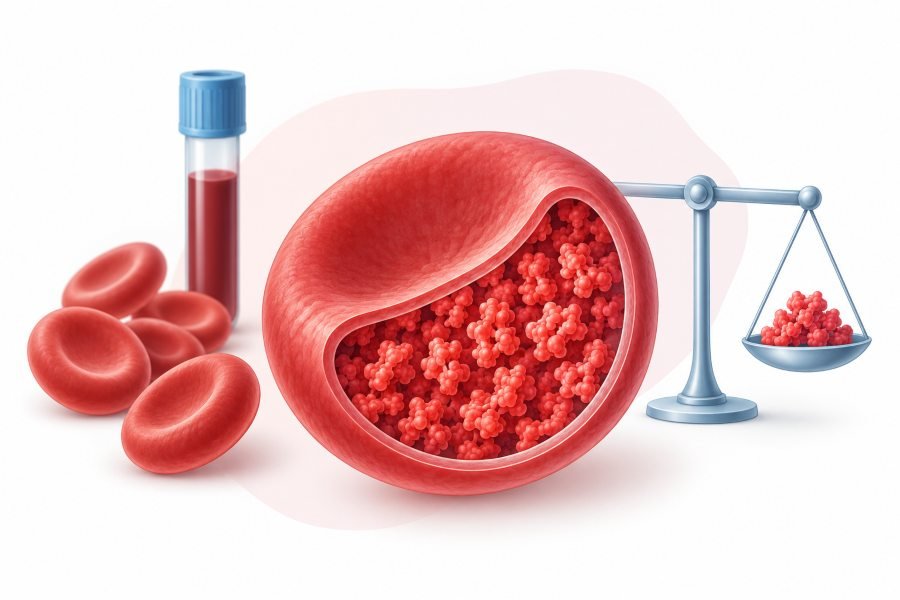
Haemoglobin is the iron-containing protein that picks up oxygen in your lungs and releases it in your tissues. MCH tells you the average mass of that protein packed into a single red cell. Analysers calculate it by taking your total haemoglobin, multiplying by ten, and dividing by your red cell count. The three indices were introduced by Wintrobe back in 1929, and the Clinical Methods chapter on red cell indices still describes them the way haematologists use them today, quoting normal MCH as roughly 29 plus or minus 2 picograms.
What surrounds it on the same report:
Haemoglobin, the total oxygen-carrying protein in a given volume of blood
RBC count, how many red cells you have
MCV, the average size of those cells
MCHC, haemoglobin concentration relative to cell volume
RDW, how much your cells vary in size from one another
White cells and platelets, which matter when the bone marrow itself is involved
Normal Ranges And Why Your Report May Say Something Slightly Different
There is no single global cutoff, and this trips up a lot of people comparing their results to figures found online. Different analysers and different reference populations produce slightly different intervals, which is why the range printed beside your own result is the one that counts. The Medscape reference on MCH and MCHC gives adults roughly 27 to 33 pg, and notes that laboratories are expected to verify or establish their own intervals rather than borrow someone else’s.
Group
Typical MCH guide
Note
Adults
About 27 to 33 pg
Same range for men and women
Children
Close to adult range, rising with age
Age-specific values apply
Newborns
Higher than adults
Falls over the first months
Pregnancy
Interpreted alongside ferritin
Dilution can confuse haemoglobin
Thalassaemia screening
Below 27 pg triggers further testing
A screening threshold, not a diagnosis
A result one or two picograms outside the range, with a normal haemoglobin and no symptoms, is a different conversation from a result well outside it in someone who is exhausted and breathless.
How MCH Differs From MCV And MCHC
How MCH Differs From MCV And MCHC
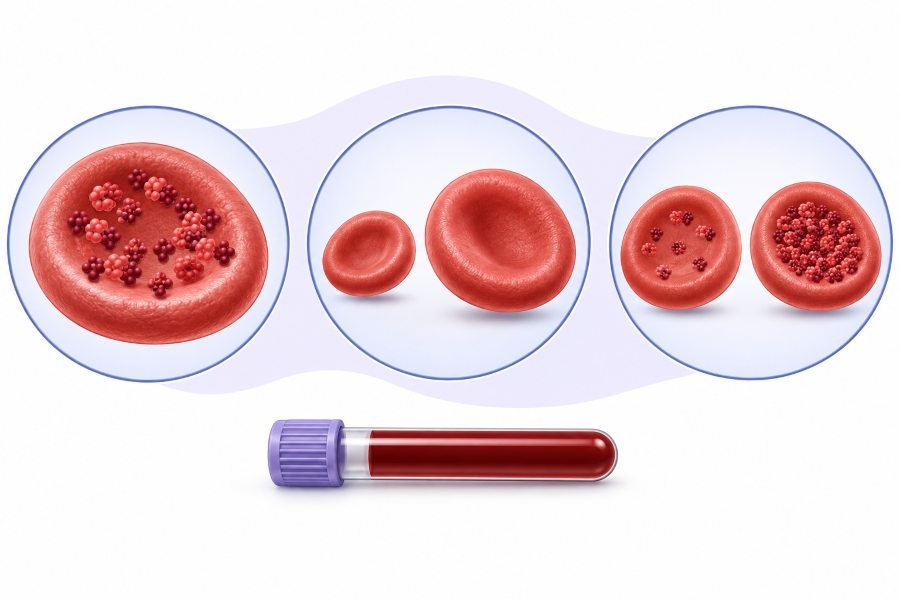
These three get confused constantly, including in articles that should know better. The simplest way to hold them apart is to think of each red cell as a container. MCV tells you how big the container is. MCH tells you how much haemoglobin is inside it. MCHC tells you how densely packed that haemoglobin is relative to the container’s size.
Index
What it describes
Units
Typical adult guide
MCV
Average cell size
fL
About 80 to 100
MCH
Average haemoglobin per cell
pg
About 27 to 33
MCHC
Haemoglobin concentration in the cell
g/dL
About 32 to 36
Because bigger cells usually hold more haemoglobin, MCH and MCV normally move together. When they disagree, that disagreement is itself informative. A high MCHC is unusual and often either a laboratory artefact or a sign of hereditary spherocytosis, a condition where red cells are rounder and smaller than they should be. One point worth knowing, since it explains an oddity in the terminology: red cells can be pale, described as hypochromic, but they are never truly overloaded with haemoglobin. When the body makes more haemoglobin per cell, the cell simply becomes larger rather than darker.
Low MCH And What Usually Sits Behind It
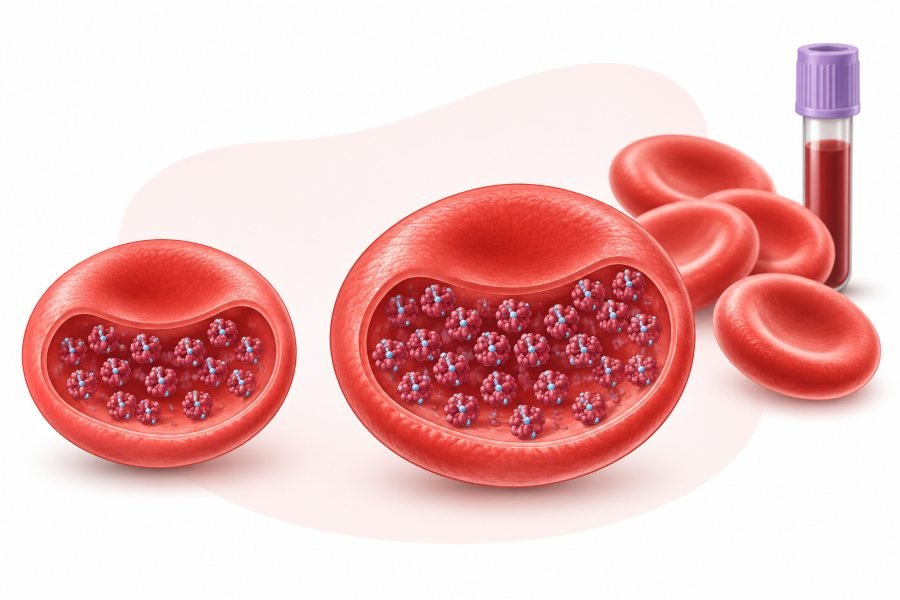
Low MCH means the average red cell is carrying less haemoglobin than expected, which nearly always comes down to a supply problem in making haemoglobin or an inherited difference in how it is made.
Cause
How it usually appears
What confirms it
Iron deficiency
Low MCH, low MCV, high RDW, low ferritin
Ferritin, transferrin saturation
Thalassaemia trait
Low MCH with normal or high red cell count
Haemoglobin analysis, HbA2
Anaemia of chronic disease
Mildly low or normal MCH
Inflammatory markers, underlying illness
Lead exposure
Low MCH with stippled cells on the film
Blood lead level
Sideroblastic anaemia
Low MCH with high ferritin
Blood film, marrow assessment
Ferritin is the first test to order here. The American Family Physician review on evaluating microcytosis puts serum ferritin first in the sequence, and makes a second point that matters more than most people realise. In adults, iron deficiency is presumed to be caused by blood loss, and the commonest source is the gastrointestinal tract, which is why an adult man or a postmenopausal woman with iron deficiency is usually offered bowel investigation rather than just a bottle of tablets.
The other caution is about self-treatment. Someone with thalassaemia trait has a permanently low MCH and normal iron stores, and taking iron they do not need achieves nothing useful while allowing iron to accumulate over years. The NIH iron fact sheet for health professionals sets out why supplementation belongs after confirmed deficiency rather than before it.
High MCH And What Usually Sits Behind It
High MCH And What Usually Sits Behind It
Raised MCH generally travels with raised MCV, because the cells producing it are larger than normal. The causes divide neatly into vitamin problems, toxic or metabolic effects on the marrow, and marrow disease itself.
Cause
What is happening
Clue that points to it
Vitamin B12 deficiency
DNA production in marrow is impaired
Numbness, tingling, sore tongue, balance problems
Folate deficiency
Same mechanism, different vitamin
Poor diet, pregnancy, coeliac disease
Alcohol
Direct effect on developing red cells
Liver tests, drinking history
Medications
Interference with DNA synthesis
Methotrexate, hydroxyurea, some antivirals and anticonvulsants
Liver disease
Changes to the red cell membrane
Liver function tests
Underactive thyroid
Generalised slowing of metabolism
Thyroid function tests
Reticulocytosis
Young cells are larger and richer in haemoglobin
Recent bleeding or red cell destruction
Myelodysplastic syndrome
Faulty production in the marrow
Older age, other cell lines abnormal
Vitamin B12 deserves particular respect because of what happens if it is missed. The NHS information on vitamin B12 or folate deficiency anaemia notes that while many symptoms improve with treatment, some nervous system problems can become permanent if the condition goes untreated. Taking folic acid on its own can tidy up the blood picture while nerve damage continues quietly underneath, which is exactly why B12 is checked before folate is prescribed.
Why MCH Is Often The Steadier Number
Here is something rarely mentioned outside laboratory circles, and it is the best argument for paying attention to MCH rather than treating it as MCV’s shadow. Red cells swell slowly in a sample tube. If blood sits for more than a day before it is analysed, the measured MCV can drift upward by several femtolitres, which can nudge a genuinely small-celled result back into the normal range. MCH does not drift in the same way, because the haemoglobin content of the cells does not change just because the cells have swollen.
That stability has practical consequences:
A classic study of antenatal screening found MCH more reliable than MCV for detecting beta thalassaemia trait, precisely because it was the more stable measurement and generated fewer unnecessary follow-up tests
The UK programme built its threshold on that finding, using a value below 27 pg as the trigger for further investigation
Samples that travel between sites, or that are analysed the following day, are more trustworthy on MCH than on MCV
Where laboratories have compared the two on control material, the MCH approach produced fewer misclassifications
If you live somewhere with a national screening programme, this is not abstract. The NHS sickle cell and thalassaemia screening programme uses red cell indices from the full blood count as its first-line screen in lower prevalence areas, with haemoglobin analysis following when the indices are low. The study behind the 27 picogram threshold was published in the Journal of Clinical Pathology in 1995 and still underpins practice.
When Your MCH Is Normal But Something Is Still Wrong
When Your MCH Is Normal But Something Is Still Wrong
This is the part that matters most if you arrived here because you are tired and your results came back described as fine.
Iron deficiency without anaemia is common, and ferritin can be low while MCH, MCV and haemoglobin all sit inside their ranges
Early deficiency of any kind shows up before the average has shifted, because only the newest cells are affected
Two opposite problems at once, such as low iron alongside low B12, can pull the average back towards normal
Anaemias from kidney disease, acute bleeding or red cell destruction often leave cell haemoglobin content untouched
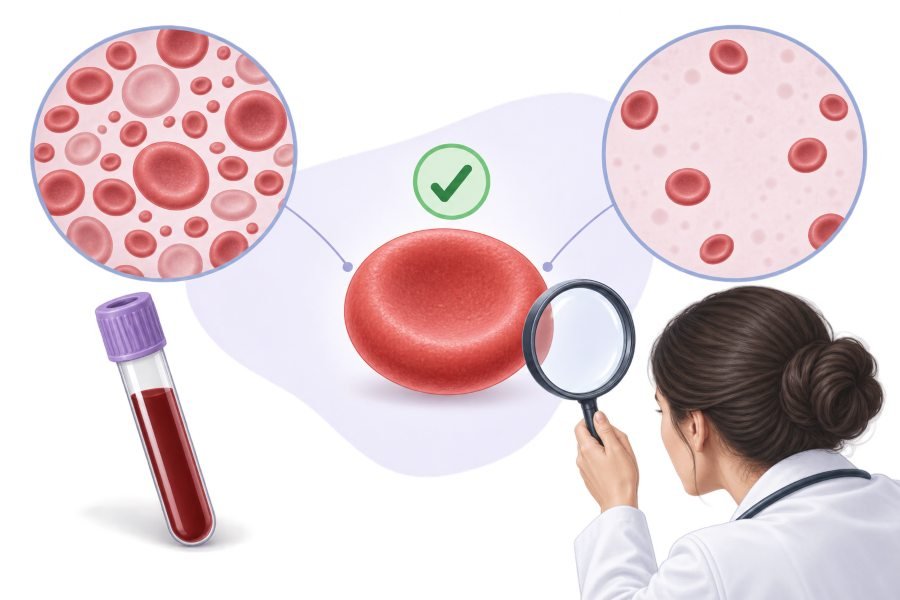
A rising RDW with a normal MCH suggests a mixed population of cells and deserves a second look
Thyroid disease, sleep apnoea, depression, coeliac disease and long working patterns all cause fatigue with a perfectly normal blood count
If tiredness is your main complaint, ask specifically whether ferritin was measured, not just haemoglobin. It is a different test, and it is the one that catches depleted iron stores before the red cells shrink.
Results That Are Wrong Rather Than Abnormal
Analysers measure what is in the tube, and several things can make the tube misrepresent your body. A repeat sample settles most of these.
Very high white cell counts, which interfere with haemoglobin measurement and push MCH falsely up
Abnormal proteins in the blood, seen in some marrow conditions, with the same effect
Fatty, milky-looking plasma after a very high fat meal or in lipid disorders
Cold-reacting antibodies causing red cells to clump together
Red cells damaged during a difficult blood draw
A sample analysed long after collection
If your result does not fit your symptoms or your previous counts, asking whether it is worth repeating is a reasonable question rather than a difficult one.
What A Sensible Follow-Up Looks Like
An abnormal MCH should lead to a short, logical sequence. The consumer-facing MedlinePlus page on red blood cell indices describes what these numbers are for, and the pattern below is roughly what to expect in practice.
Questions first, covering diet, alcohol, medications, menstrual bleeding, family origin and any gut symptoms
Ferritin for a low MCH, and B12, folate, liver and thyroid tests for a high one
A repeat count rather than a full investigation when the abnormality is borderline and you feel well
Haemoglobin analysis when thalassaemia trait is plausible, particularly before anyone starts iron
Referral when macrocytosis stays unexplained, especially in older adults or when platelets and white cells are also off
Patience with treatment, since correcting a deficiency takes weeks to change the indices, because the change depends on newly made cells replacing old ones
No supplements before the blood tests, since taking iron or B12 first can blur the very results your doctor needs
Certain symptoms change the timeline entirely. Breathlessness at rest, chest pain, fainting, black or bloody stools, vomiting blood, flooding periods, unexplained weight loss, or numbness, tingling and unsteadiness alongside a high MCH all warrant prompt medical attention rather than a routine appointment, and the first few on that list belong in an emergency department.
Questions Worth Taking To The Appointment
Short appointments go better when you know what you are asking for.
Am I actually anaemic, or is only the index abnormal
Was ferritin checked, and what was the number rather than just whether it was normal
Does my RDW fit with the MCH result
Given my family background, should thalassaemia trait be ruled out before I take iron
Could any medicine I take be responsible for this
If iron is the answer, what is causing the loss
When should this be rechecked, and what change would you want to see
May I have a copy of the full blood count for my own records
Everyday Habits That Support Healthy Haemoglobin
Everyday Habits That Support Healthy Haemoglobin
None of this substitutes for finding the cause of an abnormal result, and none of it should delay getting one. It does support the marrow that has to rebuild your red cells continuously, since each cell lives only around four months and the whole supply turns over several times a year.
Combine plant sources of iron with vitamin C, so lentils with peppers or beans with tomatoes, since the pairing meaningfully improves absorption
Keep tea and coffee away from meals, because compounds in both bind iron in the gut
Include haem iron from meat and fish if you eat them, since it is absorbed more readily than the plant form
Take vitamin B12 seriously on a vegan or largely plant-based diet, where the reliable sources are fortified foods or a supplement
Keep folate up through beans, leafy greens, citrus and fortified grains, and follow pregnancy advice on supplementation
Be honest about alcohol, which raises red cell size and haemoglobin content directly and is one of the commonest explanations for a high result
Raise heavy periods with a doctor rather than accepting them, since they are a leading and very treatable cause of iron loss
Keep your own copies of blood counts, because a trend across several years tells a clinician far more than one value
Go back for the recheck you were told to have, since that second count is where most real answers appear
Disclaimer
This article is general health information and is not medical advice. It cannot replace an assessment by a clinician who knows your history. Reference ranges differ between laboratories, and any index must be interpreted alongside your symptoms, your haemoglobin and your other results. Do not start, stop or change supplements or medication on the basis of a single test value. Seek urgent care for chest pain, severe breathlessness, fainting or signs of significant bleeding.
References
Rogers M, Phelan L, Bain B. Screening criteria for beta thalassaemia trait in pregnant women. Journal of Clinical Pathology. 1995;48(11):1054-1056. doi:10.1136/jcp.48.11.1054
Bain BJ. Screening of antenatal patients in a multiethnic community for beta thalassaemia trait. Journal of Clinical Pathology. 1988;41(5):481-485. doi:10.1136/jcp.41.5.481
Van Vranken M. Evaluation of microcytosis. American Family Physician. 2010;82(9):1117-1122. PMID 21121557.
Kaferle J, Strzoda CE. Evaluation of macrocytosis. American Family Physician. 2009;79(3):203-208. PMID 19202968.
Red cell indices. In: Walker HK, Hall WD, Hurst JW, editors. Clinical Methods: The History, Physical, and Laboratory Examinations. 3rd edition. Boston: Butterworths; 1990. NCBI Bookshelf ID NBK260.
World Health Organization. Guideline on haemoglobin cutoffs to define anaemia in individuals and populations. Geneva: WHO; 2024. ISBN 978-92-4-008854-2.
NHS Sickle Cell and Thalassaemia Screening Programme. Handbook for laboratories and programme guidance. London: UK National Screening Committee, published on GOV.UK.
National Institutes of Health Office of Dietary Supplements. Iron: fact sheet for health professionals. Bethesda, MD: NIH ODS.
National Health Service. Vitamin B12 or folate deficiency anaemia. NHS health information.
US National Library of Medicine. RBC indices. MedlinePlus Medical Encyclopedia, article 003648.
About Julio Rodríguez Medicine Specialist
Julio Rodríguez brings focused medical expertise and thoughtful patient care, helping people address health concerns with clarity and confidence.






 Cardiologist