Maybe you ran out of rolling papers and grabbed a page from a notebook. Maybe you were curious, bored, or trying to keep your hands busy while cutting back on cigarettes. Or maybe you are a parent who just found a burnt, rolled-up piece of paper in your teenager’s room. Whatever brought you here, it makes sense to want a clear, calm answer.
So, what happens if you smoke paper? For a single puff or two, most people get a harsh cough, a scratchy throat, watery eyes, a bad taste, and sometimes a headache or a slightly dizzy feeling. Paper contains no nicotine or other drugs, so it will not give you a buzz or a high. The real concern is the smoke itself. Burning paper produces the same kinds of harmful substances found in other smoke: fine particles, carbon monoxide, and irritating chemicals such as formaldehyde. Printed, colored, glossy, or coated paper can add inks, dyes, and other substances that were never meant to be heated and breathed in.
One accidental puff is very unlikely to cause lasting harm in a healthy person. Doing it regularly is a different story, because repeated smoke exposure of any kind can irritate and damage the lungs over time. Below, we walk through what is in paper smoke, how different papers compare, what to expect afterward, and when to get medical help.
What You Might Feel Right After Smoking Paper
What You Might Feel Right After Smoking Paper
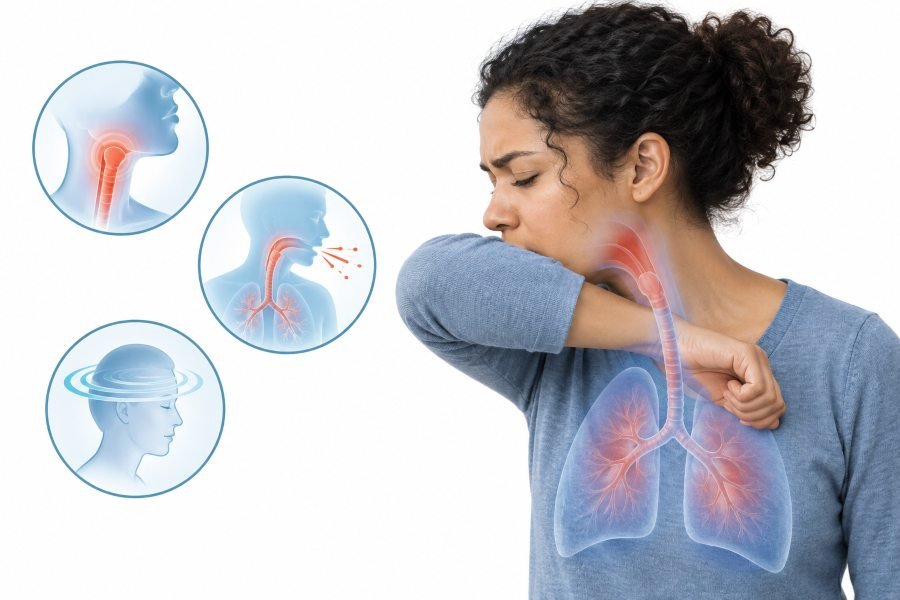
The body tends to react quickly to smoke it is not used to. Common short-term effects include:
Coughing, sometimes in strong fits
A burning or scratchy feeling in the throat and chest
Red, stinging, or watery eyes
A bitter, burnt taste that lingers
Headache or feeling lightheaded
Mild nausea
Wheezing or chest tightness, especially in people with asthma
These effects usually fade within minutes to a few hours once you are in fresh air. If they get worse instead of better, or if breathing becomes difficult, treat that as a warning sign (see the section on when to get help below).
It is worth being honest about one thing. Some people describe feeling “lightheaded” or “a bit off” after smoking paper and wonder if that is some high. It is not. That feeling is more likely your body reacting to smoke and to carbon monoxide, a gas that reduces how much oxygen your blood can carry. It is a signal to stop, not a benefit.
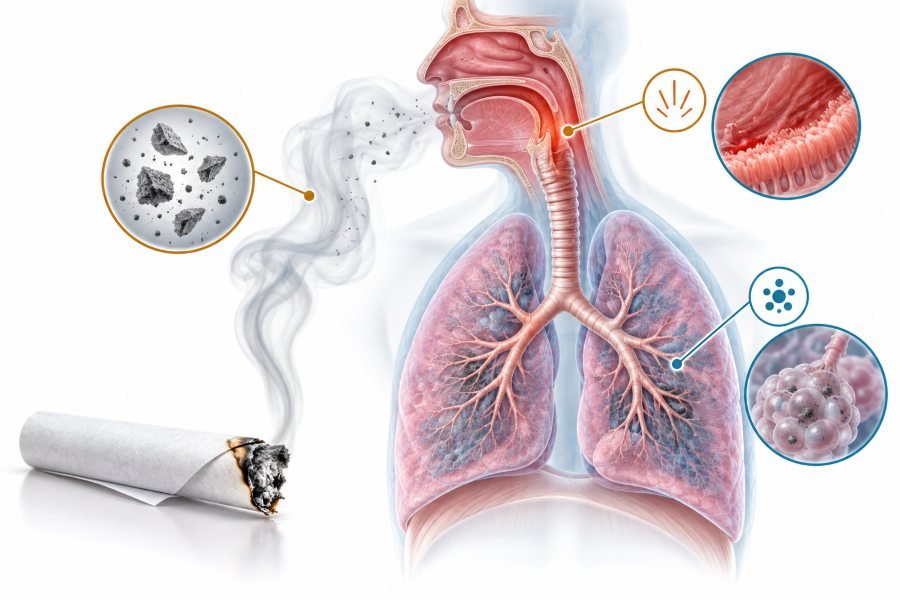
What Is Actually In Paper Smoke
Most paper is made mainly from cellulose, the tough fiber in wood and other plants. When cellulose burns, especially in a small, low-temperature, smoldering burn like a rolled-up page, it does not burn cleanly. It produces a thick mix of gases and tiny particles.
The US Environmental Protection Agency’s page on how wood smoke affects your health is a useful guide here, because paper is made from wood pulp and burns in a similar way. The EPA notes that this type of smoke is a complex mix of gases and fine particles, and that it also carries toxic air pollutants such as benzene, formaldehyde, acrolein, and polycyclic aromatic hydrocarbons (PAHs). The biggest health threat comes from the fine particles, which can reach the eyes and airways and cause burning eyes, runny nose, and illnesses such as bronchitis.
Research from the tobacco industry backs up the paper part of this picture. Scientists studying cigarette smoke have found that cellulose is one of the major sources of formaldehyde and similar irritating chemicals produced when a cigarette burns, and cigarette wrapping paper is more than 70% cellulose by weight. In other words, the paper around a cigarette is not a harmless wrapper. It adds its own share of harmful smoke.
Here is a simple breakdown of the main culprits:
What is in the smoke
What it can do
Fine particles (PM2.5)
Travel deep into the lungs, irritate the airways, and can worsen asthma and cardiovascular problems.
Carbon monoxide (CO)
Reduces the blood’s ability to carry oxygen, potentially causing headache, dizziness, weakness, and confusion.
Formaldehyde and acrolein
Irritate the eyes, nose, throat, and lungs.
PAHs and benzene
Some are carcinogenic and are associated with increased cancer risk after long-term or repeated exposure.
Inks, dyes, and coatings(especially in printed or colored paper)
Can release additional toxic chemicals and potentially metals that are not intended to be inhaled.
The EPA’s overview of the health effects of particle pollution explains why those tiny particles matter so much. They are small enough to pass deep into the lungs, and some can even enter the bloodstream.
Not All Paper Is The Same
Not All Paper Is The Same
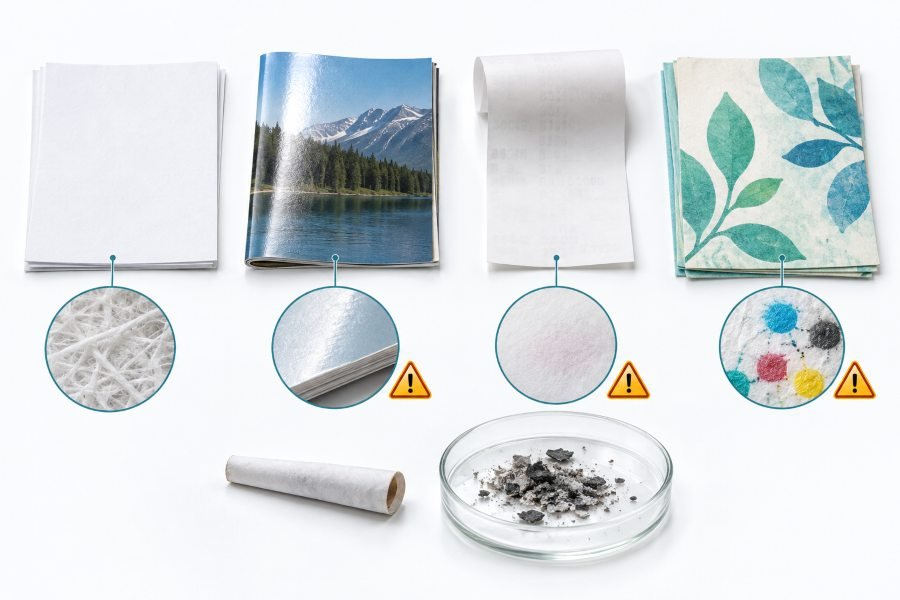
People search this question for many kinds of paper: notebook paper, printer paper, newspaper, book pages, receipts, tissue, and rolling papers. The risks overlap, but some types add extra problems.
Rolling papers are made to be thin and to burn at a steady rate. That does not make them safe, but it does mean they produce less paper smoke than a thick sheet. Even so, they are not always clean. A 2024 study published in ACS Omega tested 53 rolling papers and cones and found that some, especially colored or printed ones and those with metallic tips, contained raised levels of copper, chromium, and vanadium. The Chemical and Engineering News summary of the rolling paper metals study reported that about a quarter of samples had copper levels above guidelines for inhaled medicines, with several colored cones among the worst. You can read the full peer-reviewed study on rolling paper composition if you want the detailed data. One of the authors pointed out that many people assume government agencies check these products, when in reality regulation of rolling papers is patchy.
Notebook and printer paper is much thicker. It also usually contains mineral fillers such as calcium carbonate or clay, plus sizing agents and brighteners that help ink sit on the page and make it look white. None of these were designed with smoking in mind. More paper per puff means more smoke per puff.
Printed paper such as newspapers, magazines, book pages, and flyers adds inks. Colored and glossy printing brings pigments and coatings into the mix. The rolling paper research above found that colored pigments were a major source of metals, which is a good reason to be especially wary of anything printed in color.
Receipts are often thermal paper, which is coated with chemicals like BPA or BPS so that it darkens with heat. Deliberately burning and inhaling that coating is not a good idea.
Paper cups, plates, and packaging may be lined with plastic or wax. Burning plastics can release far more toxic chemicals than paper alone. The EPA’s archived guide on the health dangers of burning household trash explains that uncontrolled, low-temperature burning of household waste is a major source of dioxins, a group of highly toxic chemicals, and that because nearly all household waste contains traces of chlorine, burning it still produces dioxins even when the obvious plastics are removed.
The short version: if you must know which is “least bad,” a plain, unprinted, uncolored rolling paper is lower risk than a torn-out notebook page, and a notebook page is lower risk than printed, colored, glossy, coated, or plastic-lined paper. But none of them are safe to smoke.
Is Smoking Paper Worse Than Smoking Cigarettes?
This is a common follow-up question, and the answer has two sides.
Paper has no nicotine, so it is not addictive the way cigarettes are. People rarely smoke paper for years the way they smoke tobacco, which limits how much harm most people end up with.
On the other hand, “no nicotine” does not mean “no harm.” Tobacco smoke is dangerous largely because of what burning does, and burning paper also creates particles, carbon monoxide, and irritating chemicals. Smoking thick paper can mean breathing in a lot of smoke quickly, since it tends to burn unevenly and smolder.
So it is not a safer swap for cigarettes, and it is not a harmless habit on its own. It is best thought of as another way of putting smoke into your lungs, which your lungs are not built to handle.
Once Versus Regularly: Setting Realistic Expectations
Once Versus Regularly: Setting Realistic Expectations
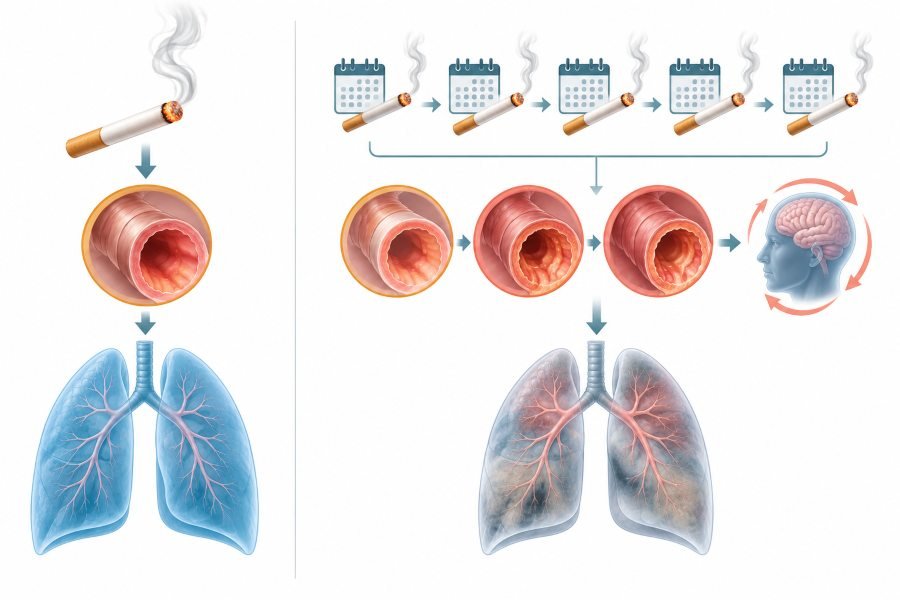
It helps to separate a one-time experience from a repeated habit, because the outlook is quite different.
If you smoked paper once or twice, you will most likely feel fine within a few hours to a day. A lingering cough or sore throat can last a little longer. Drinking water, resting, and staying in fresh air are usually enough. There is no need to panic, and there is no evidence that a single puff causes lasting lung damage in an otherwise healthy person.
If you have been smoking paper regularly, the concern grows with time. Repeated exposure to smoke particles and irritants can lead to:
An ongoing cough, sometimes with mucus
More frequent chest infections or bronchitis
Worsening asthma or new wheezing
Shortness of breath during exercise
Irritation of the mouth, gums, and throat
Long-term, frequent exposure to the substances in smoke, including PAHs and benzene, is linked to a higher risk of serious lung and heart disease and some cancers. Research on wood smoke and air pollution shows these effects build up over time. The good news is that stopping early gives the lungs a real chance to recover from irritation.
Carbon Monoxide: The Risk People Overlook
Carbon monoxide deserves its own mention because it is invisible and has no smell. It is produced whenever something burns without enough oxygen, which is exactly what happens in a rolled-up, smoldering piece of paper.
The CDC’s guide to carbon monoxide poisoning lists the common symptoms: headache, dizziness, weakness, upset stomach, vomiting, chest pain, and confusion. These can easily be mistaken for feeling tired or a bit unwell.
A few puffs of paper smoke outdoors are unlikely to cause serious poisoning. The risk rises if someone smokes a lot of paper in a small, closed space like a bathroom, car, or bedroom with the windows shut, or if they are also drinking alcohol or using drugs that make them drowsy. If you or someone with you feels confused, very sleepy, or faint after being around smoke, get into fresh air and seek medical care straight away.
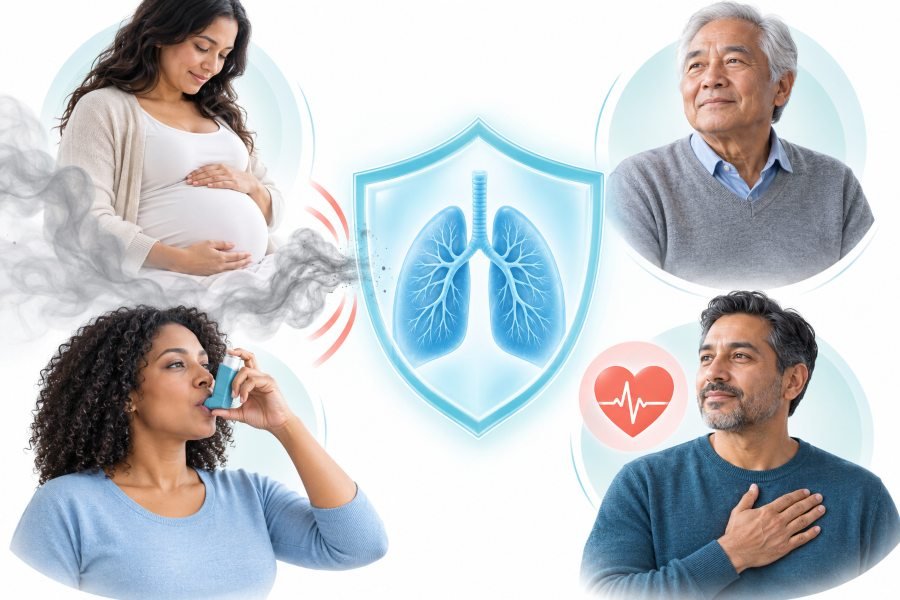
Who Should Be Especially Careful
Who Should Be Especially Careful
Some people are more likely to react badly to any kind of smoke, including paper smoke:
People with asthma or COPD, since smoke can trigger an attack
People with heart disease, because fine particles and carbon monoxide put extra strain on the heart
Pregnant women, as carbon monoxide reduces oxygen reaching the baby
Children and teenagers, whose lungs are still developing
Older adults, who may have less lung reserve
If you are in one of these groups and have smoked paper, pay extra attention to your breathing over the next day or so.
If You Are A Parent Who Found Burnt Paper
Finding evidence that your child has been smoking paper can be worrying. Try to stay calm. Many kids experiment out of curiosity or because they saw something online, and a burnt page does not automatically mean they are using other substances.
A gentle, open conversation usually works better than a punishment. You might ask what made them want to try it and share, in simple terms, why smoke of any kind harms growing lungs. It is also a good moment to check whether paper was being used to roll something else, such as tobacco or cannabis, and to talk honestly about that. Keep lighters and matches out of reach for younger children, since fire and burns are an added risk.
If your child has symptoms like a persistent cough, wheezing, or trouble breathing, book an appointment with their doctor.
When To Get Medical Help
Most people who smoke paper once will be fine. However, contact a doctor or seek urgent care if any of the following happen:
Trouble breathing, severe wheezing, or chest tightness that does not ease in fresh air
Chest pain, a racing or irregular heartbeat
Confusion, fainting, severe drowsiness, or blurred vision, which can point to carbon monoxide poisoning
An asthma attack that does not respond to your usual reliever inhaler
Coughing up blood
Burns to the lips, mouth, face, or fingers
A cough lasting more than a few weeks, especially if you have been smoking paper regularly
Repeated chest infections or new shortness of breath during everyday activity
If someone has swallowed burnt paper or ash, inhaled smoke from coated or plastic materials, or you are not sure how serious the situation is, you can call Poison Help for free, confidential advice in the US at 1-800-222-1222, or your local poison center or emergency number elsewhere. In an emergency, call emergency services right away.
Healthier Ways To Handle The Urge To Smoke
Healthier Ways To Handle The Urge To Smoke
If you smoked paper because you were craving the feeling of smoking, you are not alone, and there are better options. For many people trying to quit cigarettes, the hand-to-mouth habit is one of the hardest parts to let go of. Paper can seem like a harmless substitute, but it still fills your lungs with smoke.
Some ideas that work better:
Keep your hands busy with a pen, stress ball, or small fidget toy.
Chew sugar-free gum, crunchy vegetables, or a cinnamon stick.
Take a short walk or do a few minutes of slow, deep breathing when a craving hits.
Ask a doctor or pharmacist about nicotine replacement or other support if you are quitting tobacco.
Free tools like Smokefree.gov’s quit smoking resources offer text support, apps, and practical tips for handling cravings, managing stress, and staying on track.
Caring For Your Lungs After Smoke Exposure
Your lungs are good at repairing themselves from mild irritation once the source of smoke is gone. In the day or two after smoking paper, rest your throat, sip water or warm drinks, and avoid other smoke, including cigarettes, vapes, incense, and wood fires. A humidifier or a warm shower can ease a dry, tickly cough.
Over the longer term, the best thing you can do for your breathing is to keep smoke of all kinds out of your lungs, stay active in a way that suits your body, and get any lingering cough checked rather than waiting it out. If you ever feel the pull to smoke something, anything, that urge itself is worth talking about with a doctor or a trusted person. You deserve support, not judgment, and your lungs will thank you for every smoke-free day.
Disclaimer
This article is for general information only and does not replace advice from a qualified healthcare professional. If you have symptoms after inhaling smoke, a long-term health condition, or concerns about a child, please speak with a doctor. In an emergency, call your local emergency number immediately.
About Doctiplus Doctors Staff
Doctiplus is a trusted global digital health platform that connects patients worldwide with certified doctors for instant online consultations and in person appointments.






 Cardiologist