It might start as a dull ache when you chew your breakfast, or as a sharp twinge when you yawn. Maybe you woke up with a stiff, sore jaw and no idea why. Jaw pain is one of those symptoms that’s easy to brush off, yet it has a surprisingly wide range of explanations, from a clenching habit you didn’t know you had to, in rare cases, a problem with your heart.
This article covers the most common reasons your jaw might hurt, how to tell a minor issue from one that needs prompt attention, and what actually helps.
What Jaw Pain Can Feel Like
What Jaw Pain Can Feel Like
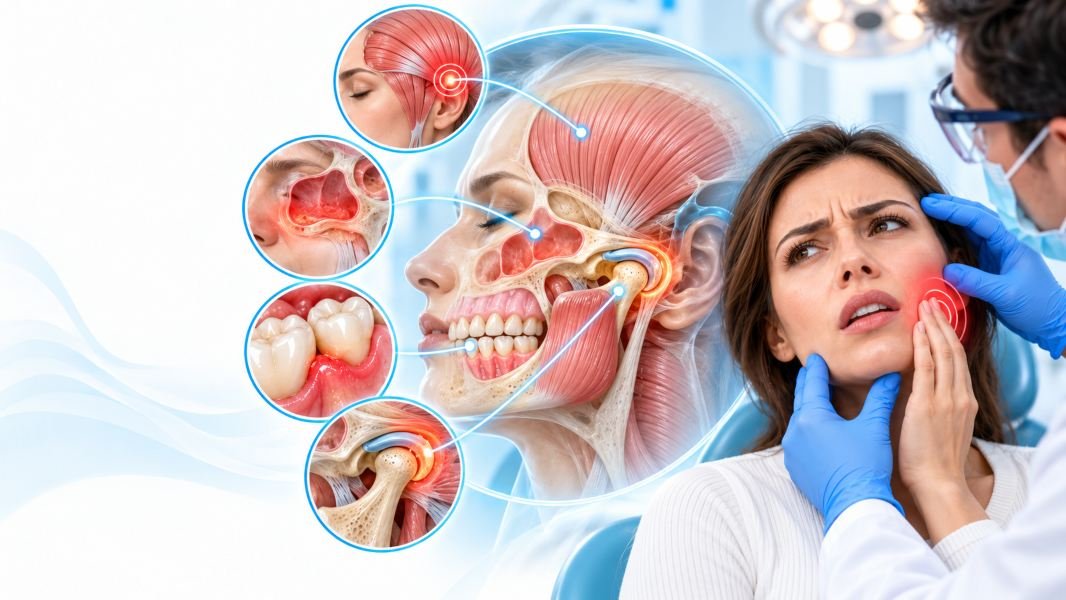
Jaw pain doesn’t look the same for everyone. It may show up as an ache, stiffness, or pain in the jawbone or around your ears. Depending on the cause, you might notice:
A dull, constant ache along one or both sides of the jaw
Sharp pain when chewing, yawning, or opening wide
Clicking, popping, or grinding sounds in the joint
Stiffness or difficulty fully opening or closing your mouth
Pain that spreads to the ear, temple, or neck
Headaches that seem to start near the jaw
The Most Common Causes of Jaw Pain
Temporomandibular Joint (TMJ) Disorders
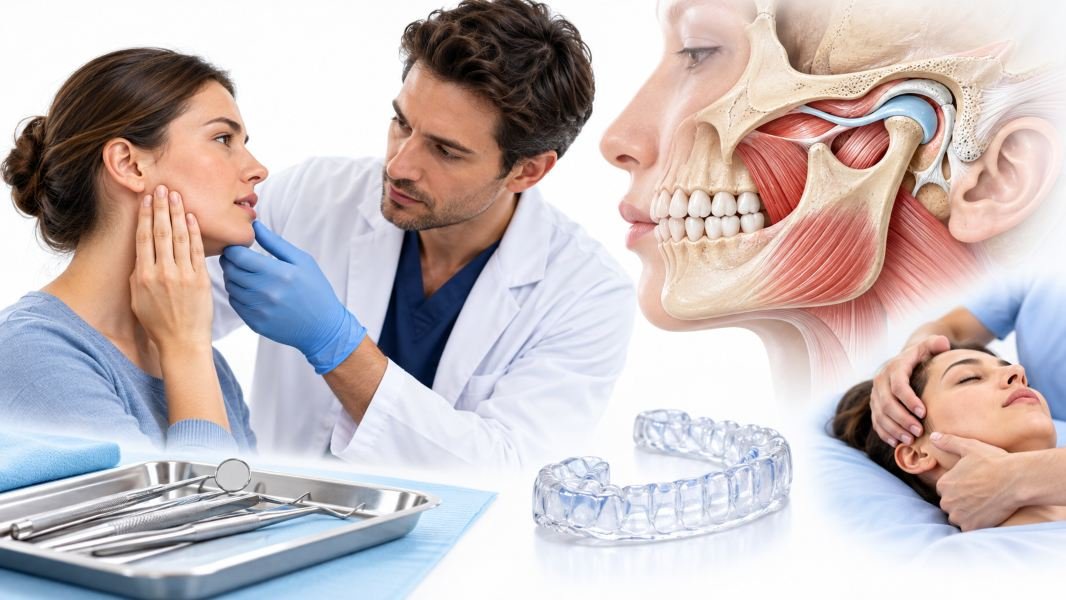
Temporomandibular joint disorder is the most common reason jaw pain occurs. The temporomandibular joint is the hinge connecting your lower jaw to your skull, and it’s one of the most complex joints in the body. When the joint or the muscles around it aren’t working properly, you can end up with pain, restricted movement, and even headaches. TMJ disorders can make it hard to open and close the mouth, and pain on one side of the jaw may point to TMJ or possibly a tooth problem.
Teeth Grinding and Clenching (Bruxism)
Teeth Grinding and Clenching (Bruxism)
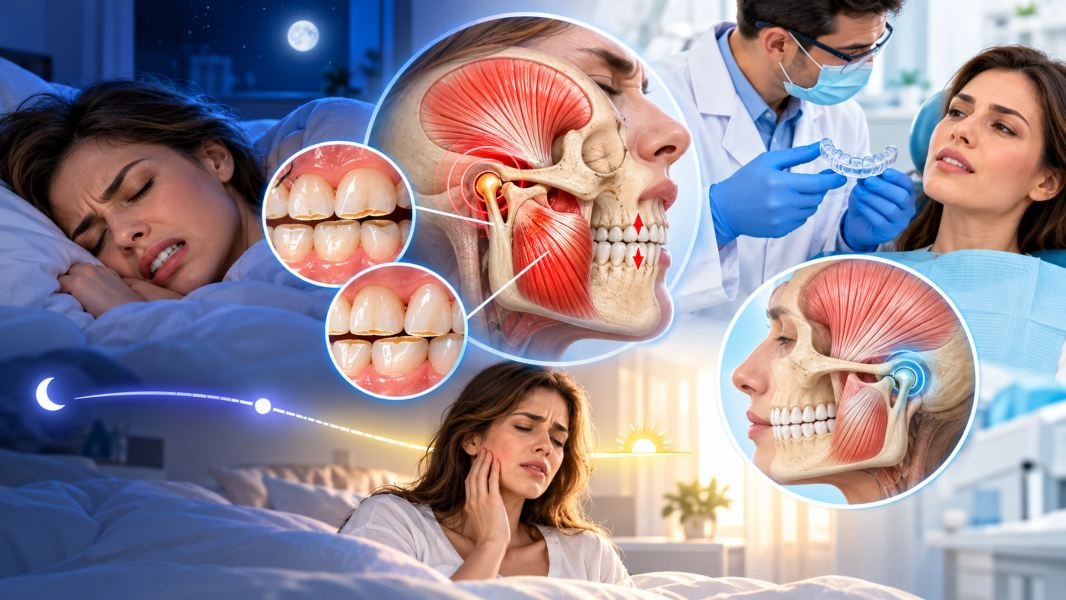
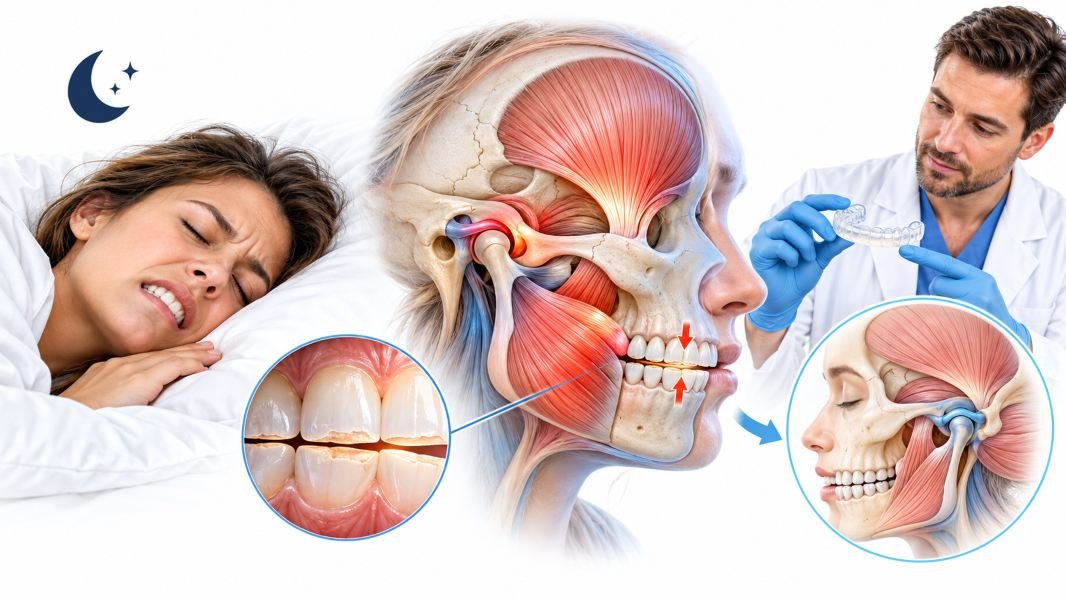
Many people grind or clench their teeth without realizing it, often during sleep or in moments of stress. Regular grinding can affect the temporomandibular joint and surrounding muscles, causing jaw pain. If you wake up with a tight jaw, sore facial muscles, or morning headaches, bruxism is worth considering. It’s frequently linked to stress or anxiety, and sometimes to sleep disorders like sleep apnea.
Dental Problems
Not every jaw ache starts in the joint. Gum disease and abscessed teeth are among the most common causes of jaw pain. A cracked tooth, a deep cavity, an infected root, or an impacted wisdom tooth can all send pain radiating along the jawline, which is why a dental exam is often one of the first steps in sorting out where the pain is truly coming from.
Injury or Trauma
A blow to the face, a sports injury, or even a wide yawn or long dental procedure can strain or injure the jaw. A broken or dislocated jaw is a medical emergency.
Sinus Infections
Sinus Infections
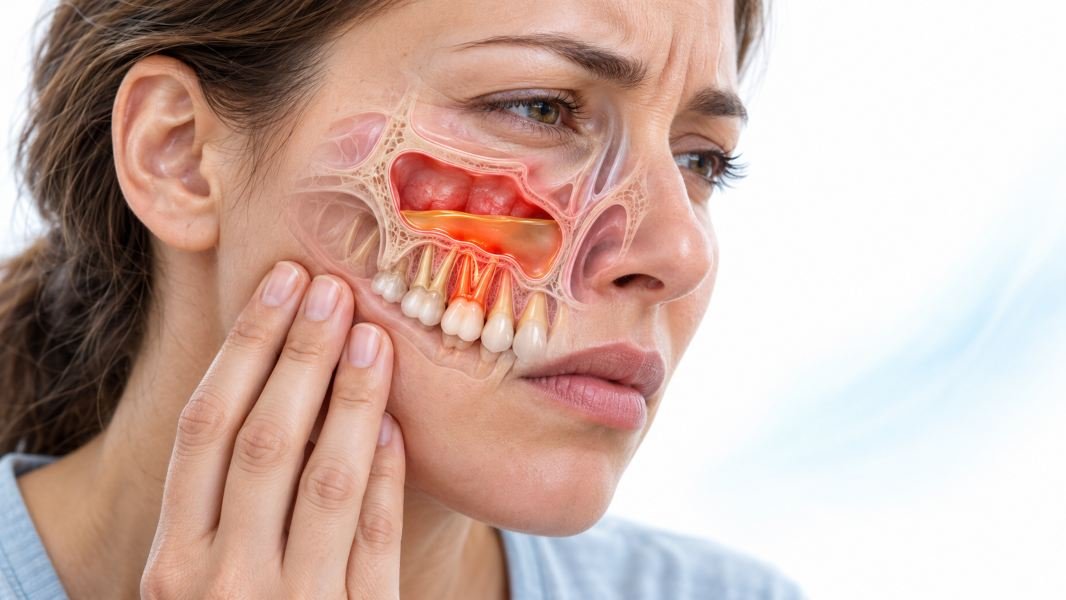
The sinuses sit close to the upper jaw, so sinusitis can sometimes produce a deep ache in that area, often alongside nasal congestion and facial pressure. If your jaw pain comes with a stuffy nose or pressure behind your cheeks, your sinuses may be involved.
Arthritis and Other Conditions
Inflammatory conditions can affect the jaw joint too. Rheumatoid arthritis, Sjögren’s syndrome, and lupus may cause jaw pain with symptoms that mimic a TMJ disorder. If you have joint pain elsewhere in your body along with jaw symptoms, mention it to your doctor.
When Jaw Pain Could Be a Heart Attack Warning
When Jaw Pain Could Be a Heart Attack Warning
This is the part that matters most. Most jaw pain is not cardiac, but it can be. During a heart attack, pain can radiate from the chest to other areas, including the jaw, back, arms, neck, and stomach. The Cleveland Clinic advises that severe pain that starts in your chest and shoulders and moves to your jaw may be a heart attack symptom, and you should call 911.
Seek emergency care right away if jaw pain comes with any of the following:
Chest pain, pressure, or tightness
Shortness of breath
Cold sweats
Dizziness or lightheadedness
Nausea or indigestion-like discomfort
Pain spreading to the arm or shoulder
Women in particular can experience less typical heart attack symptoms, so jaw pain paired with unusual fatigue, nausea, or breathlessness shouldn’t be waved away. If you’re unsure, treat it as an emergency first and sort out the cause later.
When to See a Doctor or Dentist
Mild jaw pain often settles on its own. It may go away after a handful of days, but you should contact your health care provider if it lasts longer than a week. Book an appointment sooner if you notice:
Symptom
Why It Matters
Pain lasting more than a week
Suggests a cause that won’t resolve without treatment
Jaw that locks, catches, or won’t fully open
Can indicate a joint problem needing evaluation
Swelling, fever, or a bad taste in the mouth
May point to a dental infection or abscess
Pain that wakes you at night or worsens steadily
Warrants professional assessment
Difficulty chewing or eating
Affects nutrition and quality of life
Jaw pain with headaches or ear pain
Often linked to TMJ or bruxism and responds to treatment
Solutions and Home Care That Can Help
For mild, non-emergency jaw pain, a few simple measures often bring relief while you figure out the underlying cause.
Rest your jaw. Stick to soft foods for a few days, and avoid chewy items like gum, steak, or hard bread. Try not to open your mouth very wide when yawning or eating.
Apply heat or cold. A warm compress can relax tight muscles, while a cold pack can ease inflammation after an injury or flare-up. Applying either for about 10 to 15 minutes at a time is a common approach.
Try gentle jaw stretches. Stretch and relaxation exercises, including physical therapy routines such as Rocabado’s 6×6 exercises, are commonly suggested for easing TMJ discomfort. A physical therapist or dentist can show you the right technique.
Manage stress. Since stress is a frequent driver of clenching, techniques like deep breathing, regular exercise, and good sleep habits can reduce how often you tense your jaw.
Be mindful of clenching. Many people catch themselves clenching during the day once they start paying attention. Keeping your teeth slightly apart and your tongue resting gently on the roof of your mouth helps release tension.
Use over-the-counter pain relief carefully. Ibuprofen or acetaminophen can take the edge off short-term pain, but they’re not a long-term fix, and they don’t address the cause.
Professional Treatments Worth Knowing About
Professional Treatments Worth Knowing About
If home care isn’t enough, a dentist, doctor, or TMJ specialist may suggest:
A custom night guard or splint to protect teeth and reduce strain from grinding
Physical therapy to improve jaw mobility and reduce muscle tension
Dental treatment for decay, infection, or bite problems
Medication, such as muscle relaxants or anti-inflammatories, for a limited period
Botox injections for severe, persistent muscle clenching in some cases
Treatment of an underlying condition, such as a sleep disorder, sinus infection, or inflammatory arthritis
Which of these makes sense depends entirely on what’s causing your pain, which is why getting an accurate diagnosis first matters more than trying everything at once.
How to Help Prevent Jaw Pain
Avoid excessive gum chewing and nail or pen biting
Don’t use your teeth as tools
Keep up with regular dental checkups so cavities and gum problems are caught early
Practice relaxation habits if you tend to carry stress in your face and jaw
Maintain good posture, especially if you spend long hours at a desk, since neck and shoulder tension can feed into jaw tightness
Address snoring or disrupted sleep early, since sleep-related breathing problems are sometimes tied to nighttime grinding
The Bottom Line
Most jaw pain comes from TMJ problems, teeth grinding, or dental issues, and most of it responds well to rest, simple home care, and the right professional treatment. The exception worth remembering is jaw pain that appears alongside chest discomfort, breathlessness, sweating, or dizziness, which needs emergency care, not a wait-and-see approach. For anything that lingers beyond a week or keeps coming back, a dentist or doctor can pinpoint the cause far more reliably than guesswork at home.
This article is for general informational purposes only and does not replace advice from a qualified healthcare professional. If you experience jaw pain together with chest pain, shortness of breath, sweating, or dizziness, or if you suspect a broken or dislocated jaw, call emergency services immediately.
About Doctiplus Doctors Staff
Doctiplus is a trusted global digital health platform that connects patients worldwide with certified doctors for instant online consultations and in person appointments.






 Cardiologist