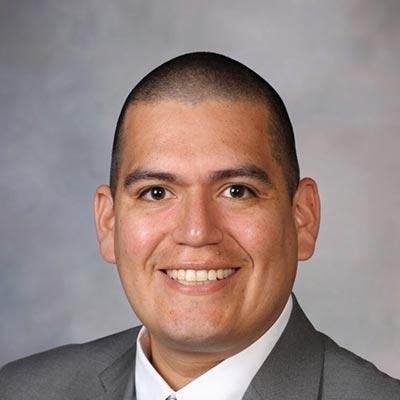
Dr. Yazan Abdeen Pulmonologist and Critical Care Specialist
Dr. Yazan Abdeen is a board-certified pulmonologist and critical care specialist who focuses on conditions affecting the lungs, breathing system, sleep-related breathing disorders, and serious respiratory illnesses requiring specialised medical care.
His clinical areas include pulmonary disease, critical care medicine, internal medicine, sleep-related breathing conditions, advanced bronchoscopy procedures, and the evaluation of complex respiratory problems.
Patients experiencing ongoing breathing problems, abnormal chest imaging, chronic cough, sleep-related breathing issues, or serious lung conditions may benefit from evaluation by a pulmonary specialist.
Patients can explore pulmonary and respiratory health services available through Doctiplus.
About Dr. Yazan Abdeen
Dr. Abdeen provides care for adults with lung and breathing conditions. His training combines pulmonary medicine, critical care, and internal medicine, allowing him to evaluate both common respiratory concerns and complex illnesses affecting the lungs.
His areas of care include:
- Asthma evaluation and management
- Chronic obstructive pulmonary disease
- Chronic cough assessment
- Shortness of breath evaluation
- Pneumonia and respiratory infections
- Lung nodules and abnormal chest imaging
- Pleural diseases
- Sleep-related breathing disorders
- Respiratory failure
- Advanced bronchoscopy procedures
- Critical care medicine
Pulmonary specialists often work with patients whose symptoms affect daily activities, exercise ability, sleep quality, and overall health.
Education and Specialist Training
| Training Area |
Institution |
Details |
| Medical education |
Jordan University of Science and Technology |
Doctor of Medicine |
| Residency |
Saint Michael’s Medical Center and Seton Hall University |
Internal medicine |
| Fellowship |
Saint Michael’s Medical Center and Seton Hall University |
Pulmonary and critical care medicine |
| Graduate education |
University of Arkansas at Fort Smith |
Master of Healthcare Administration |
Dr. Abdeen completed medical school before continuing with postgraduate training in internal medicine, pulmonary medicine, and critical care medicine. He also completed graduate education in healthcare administration.
His additional training supports the management of patients with both outpatient respiratory conditions and severe illnesses requiring hospital-based care.
Understanding Pulmonary Medicine
Pulmonary medicine focuses on diseases affecting:
- Lungs
- Airways
- Breathing muscles
- Chest structures involved in respiration
A pulmonologist evaluates symptoms such as:
- Shortness of breath
- Persistent cough
- Wheezing
- Chest tightness
- Low oxygen levels
- Sleep-related breathing problems
- Repeated respiratory infections
Breathing symptoms can have many causes, including lung disease, heart conditions, allergies, infections, medication effects, or environmental exposures. A specialist evaluation helps determine the most appropriate testing and treatment.
Asthma Care
Asthma is a condition where the airways become inflamed and narrow, causing breathing symptoms that may come and go.
Common symptoms include:
- Wheezing
- Cough
- Chest tightness
- Shortness of breath
- Night-time breathing problems
- Exercise-related symptoms
Patients can learn more about asthma symptoms and treatment.
Evaluation may include:
- Medical history review
- Breathing tests
- Trigger assessment
- Medication review
- Symptom monitoring
Treatment may involve inhaled medicines, trigger management, lifestyle changes, and an individual asthma management plan.
Chronic Obstructive Pulmonary Disease
Chronic obstructive pulmonary disease (COPD) is a long-term lung condition that limits airflow and may make breathing more difficult.
COPD includes conditions such as:
- Chronic bronchitis
- Emphysema
Possible symptoms include:
- Persistent cough
- Mucus production
- Shortness of breath
- Wheezing
- Reduced exercise ability
- Frequent respiratory infections
Patients can review information about COPD and respiratory care.
Management may include:
- Inhaled medication
- Pulmonary rehabilitation
- Smoking cessation support
- Vaccination
- Oxygen evaluation
- Breathing exercises
- Monitoring of flare-ups
Shortness of Breath Evaluation
Shortness of breath can result from many conditions, including lung disease, heart problems, infection, low oxygen levels, anxiety, medication effects, or reduced fitness.
A pulmonary evaluation may include:
- Symptom history
- Physical examination
- Oxygen measurement
- Lung function testing
- Chest imaging review
- Blood testing
- Exercise assessment
The pattern of symptoms often provides important clues. For example, breathing difficulty during activity, at rest, or during sleep may suggest different causes.
Pneumonia and Respiratory Infections
Pneumonia is an infection affecting the lungs that may be caused by bacteria, viruses, fungi, or aspiration.
Possible symptoms include:
- Cough
- Fever
- Chest discomfort
- Shortness of breath
- Fatigue
- Chills
- Reduced oxygen levels
Patients can review information about pneumonia symptoms and treatment.
Some patients recover with outpatient treatment, while others may require hospital care, oxygen support, or close monitoring depending on severity and overall health.
Lung Nodules and Abnormal Chest Imaging
A lung nodule is a small area seen on imaging such as a chest CT scan.
Many lung nodules are not cancerous and may develop because of:
- Previous infections
- Inflammation
- Scarring
- Other non-cancerous changes
A specialist may review:
- Size of the nodule
- Shape and appearance
- Growth over time
- Previous imaging
- Individual risk factors
Additional evaluation may include follow-up imaging, bronchoscopy, or other diagnostic procedures when appropriate.
Sleep Apnea and Sleep-Related Breathing Disorders
Sleep apnea occurs when breathing repeatedly becomes interrupted during sleep.
Common symptoms include:
- Loud snoring
- Breathing pauses during sleep
- Gasping during sleep
- Morning headaches
- Daytime tiredness
- Poor concentration
- Unrefreshing sleep
Patients can learn more about sleep apnea evaluation and treatment.
Evaluation may involve:
- Sleep history
- Risk-factor assessment
- Home sleep testing
- Overnight sleep study
Treatment may include positive airway pressure therapy, lifestyle changes, oral appliances, or other approaches based on the cause and severity.
Bronchoscopy Procedures
Bronchoscopy is a procedure that allows a physician to examine the airways using a flexible camera.
It may be used to evaluate:
- Persistent cough
- Abnormal chest imaging
- Lung nodules
- Airway blockage
- Lung infections
- Unexplained bleeding
During certain procedures, doctors may collect samples, remove material, or perform additional treatments depending on the condition.
Endobronchial Ultrasound
Endobronchial ultrasound (EBUS) combines bronchoscopy with ultrasound imaging to examine structures near the airways.
It may help evaluate:
- Enlarged lymph nodes
- Lung abnormalities
- Suspected lung cancer
- Certain infections
- Inflammatory conditions
This minimally invasive approach can help obtain information needed for diagnosis without traditional surgery in many cases.
Navigational Bronchoscopy
Navigational bronchoscopy uses advanced guidance methods to help physicians reach areas of the lung that may be difficult to access with standard bronchoscopy.
It may be considered for selected patients with:
- Lung nodules
- Peripheral lung abnormalities
- Difficult-to-reach areas seen on imaging
The decision depends on the location of the abnormality, imaging findings, and overall patient health.
Critical Care Medicine
Critical care medicine focuses on patients with severe illnesses requiring close monitoring and specialised treatment.
A critical care specialist may help manage conditions such as:
- Severe respiratory infections
- Respiratory failure
- Serious asthma attacks
- COPD flare-ups
- Severe lung conditions
- Complex hospital cases requiring intensive care
Critical care often involves teamwork between physicians, nurses, respiratory therapists, and other healthcare professionals.
Pleural Disease
The pleura are thin layers of tissue surrounding the lungs. Problems affecting this area may cause breathing difficulty or chest discomfort.
Pleural conditions may include:
- Fluid around the lungs
- Inflammation
- Infection
- Air around the lungs
Evaluation may involve:
- Imaging
- Ultrasound
- Fluid analysis
- Additional testing
Treatment depends on the underlying cause.
Conditions Dr. Yazan Abdeen May Evaluate
Dr. Abdeen may evaluate or manage:
- Asthma
- COPD
- Chronic cough
- Shortness of breath
- Pneumonia
- Lung nodules
- Sleep apnea
- Pleural conditions
- Respiratory infections
- Low oxygen levels
- Respiratory failure
- Abnormal chest imaging
- Conditions requiring bronchoscopy
- Critical respiratory illnesses
The recommended treatment depends on symptoms, test results, medical history, and individual health needs.
Who May Benefit From Seeing Dr. Abdeen
A pulmonary consultation may be useful for patients who:
- Experience ongoing breathing problems
- Have unexplained shortness of breath
- Need evaluation of a lung nodule
- Have uncontrolled asthma
- Have repeated COPD flare-ups
- Need bronchoscopy evaluation
- Have sleep-related breathing concerns
- Have abnormal chest imaging
- Need another pulmonary opinion
- Require follow-up after serious respiratory illness
Patients can use the Doctiplus doctor and specialist directory when comparing healthcare professionals.
What Patients Can Expect During an Appointment
A pulmonary consultation may include discussion of:
- Current breathing symptoms
- Medical history
- Smoking or exposure history
- Previous lung infections
- Sleep symptoms
- Current inhalers
- Oxygen use
- Chest imaging
- Lung function tests
- Previous treatments
The physical examination may include checking breathing patterns, oxygen levels, lung sounds, and other signs related to respiratory health.
Preparing for the Appointment
Patients may bring:
- Current medication list
- Inhalers
- Chest X-rays or CT reports
- Lung function test results
- Sleep study reports
- Hospital records
- Previous procedure reports
- Symptom timeline
- Questions about treatment options
Bringing previous medical records can help the specialist understand earlier evaluations and treatments.
Questions to Ask Dr. Abdeen
Patients may consider asking:
- What could be causing my breathing symptoms?
- Do I need lung function testing?
- What does my chest imaging show?
- Do I need bronchoscopy?
- Is my current inhaler treatment appropriate?
- Could sleep apnea be affecting my health?
- What treatment options are available?
- How can I reduce future breathing problems?
- When should I schedule follow-up?
- Which symptoms require urgent care?
Practice and Appointment Information
Dr. Yazan Abdeen provides pulmonary, critical care, and sleep-related respiratory services. His professional training includes pulmonary medicine, critical care medicine, internal medicine, and advanced bronchoscopy procedures.
Appointment availability, insurance participation, office hours, and available services may change. Patients should confirm current information directly with the practice before scheduling.
When Breathing Symptoms Need Urgent Care
Urgent medical attention may be needed for:
- Severe difficulty breathing
- Blue or grey lips
- Sudden chest pain
- Coughing blood
- Confusion
- Loss of consciousness
- Very low oxygen levels
- Rapidly worsening breathing symptoms
- Severe allergic breathing reactions
Emergency services should be contacted when symptoms are sudden, severe, or life-threatening.
Profile Accuracy
This profile has been prepared using current publicly available professional and clinical information.
Readers can review the Doctiplus editorial policy and the site’s trusted healthcare resources for additional medical information.












 Cardiologist
Reviews
There are no reviews yet.