If you are reading this with a throbbing, swollen big toe that cannot bear even the weight of a bedsheet, you are probably hoping for something fast. The search for a “10-minute gout cure” usually starts at 2 a.m., in real pain, and that is completely understandable. Gout is one of the most painful forms of arthritis there is.
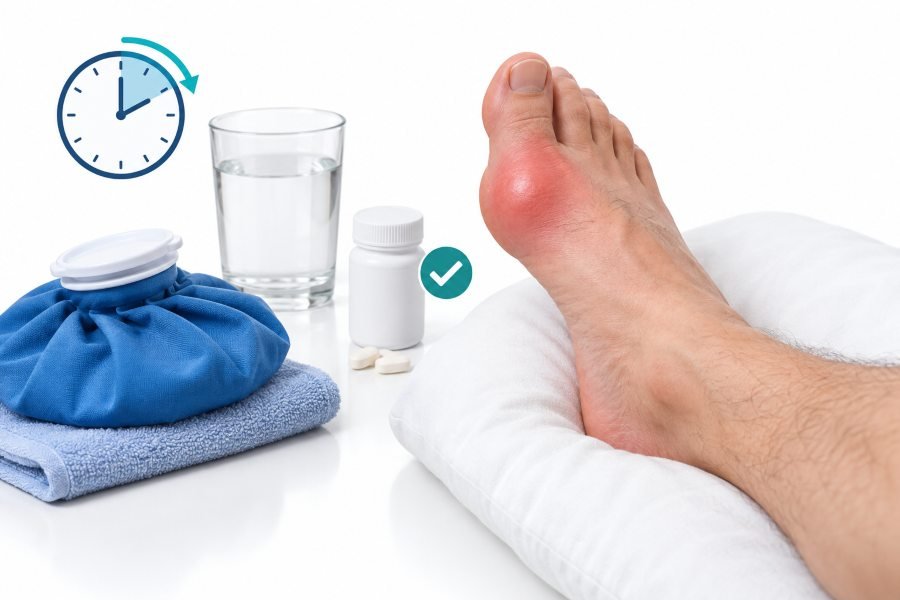
So here is the honest answer first. There is no treatment, natural or medical, that cures gout or ends a gout attack in 10 minutes. What you can do in the next 10 minutes is take steps that ease the pain a little right away and help the flare settle much faster over the following hours and days: take your prescribed flare medicine as early as possible, put a wrapped ice pack on the joint, rest it, and raise it. Proper anti-inflammatory treatment usually starts to bring relief within hours, and most flares calm down over several days. And while no single remedy cures gout, long-term treatment that lowers uric acid can stop attacks from coming back, which is the closest thing to a real cure that exists.
This guide explains what to do right now, what the evidence says about popular quick fixes, and when a painful joint needs a doctor that same day.
Why A Gout Flare Hurts So Much
Why A Gout Flare Hurts So Much
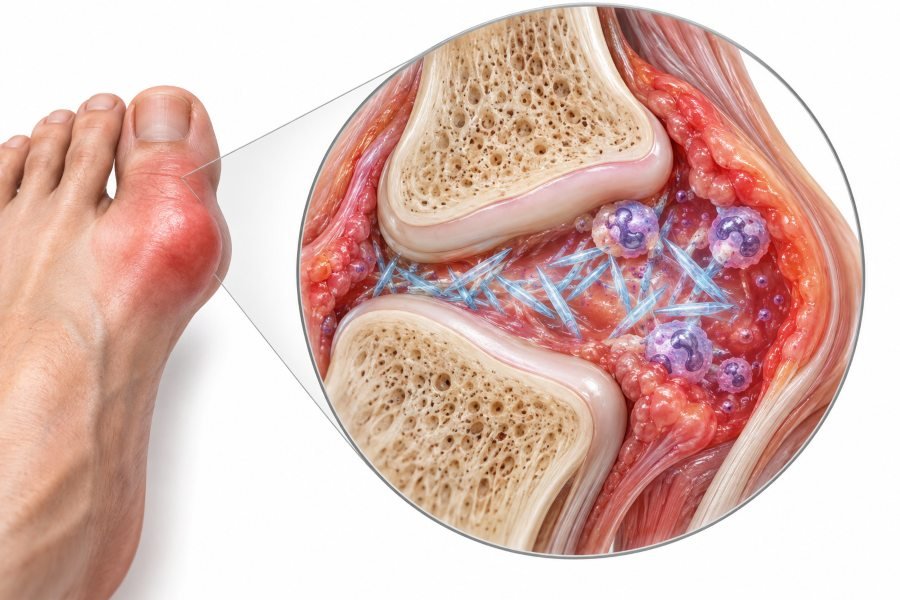
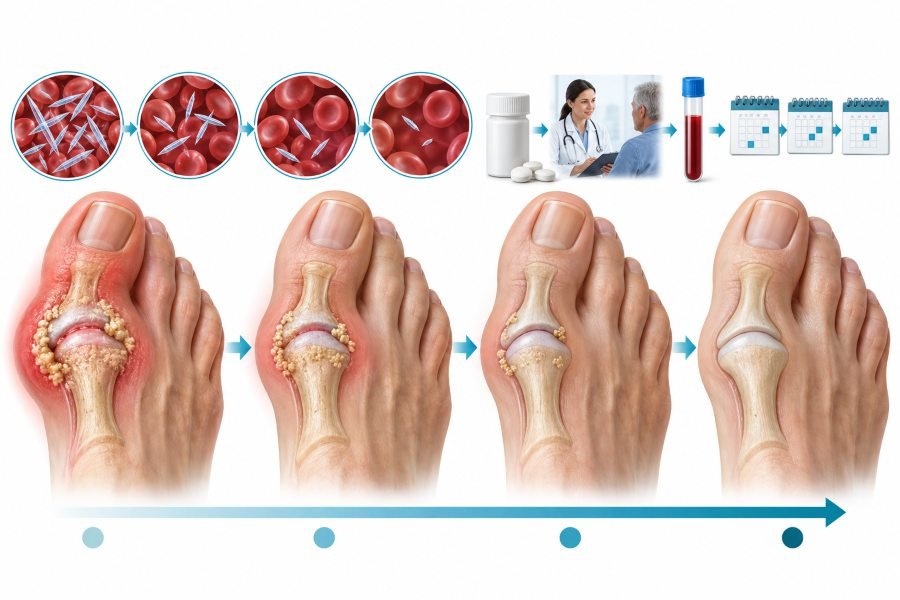
Gout happens when there is too much uric acid in the blood for too long. Over time, the excess forms sharp, needle-shaped crystals that settle in and around joints, most often the joint at the base of the big toe. A flare begins when the immune system suddenly reacts to those crystals and floods the joint with inflammation. That is why the joint becomes hot, red, swollen, and so tender that even light touch is unbearable.
Flares often start at night and build quickly, reaching their worst within about 12 to 24 hours. The NHS guide to gout symptoms and treatment describes the typical picture well: sudden, severe pain in a single joint, usually the big toe, along with swelling and shiny red or purple skin over it.
Understanding this helps set realistic expectations. The pain is driven by inflammation around crystals that have built up over months or years. Anything that works quickly is calming the inflammation, not dissolving the crystals. The crystals themselves only go away slowly, with steady, long-term lowering of uric acid.
What To Do In The First 10 Minutes
This is the practical part, and it genuinely matters. The single most useful thing you can do is start treatment early.
If you have already been diagnosed with gout and your doctor has given you flare medicine, take it now, exactly as prescribed. The American College of Rheumatology’s 2020 guideline for managing gout strongly recommends colchicine, anti-inflammatory painkillers (NSAIDs), or steroids as first-line treatment for flares, and notes that these work best when started soon after symptoms begin. Many people with gout keep a “flare pack” at home for this reason, so they can begin treatment at the first twinge rather than waiting for an appointment.
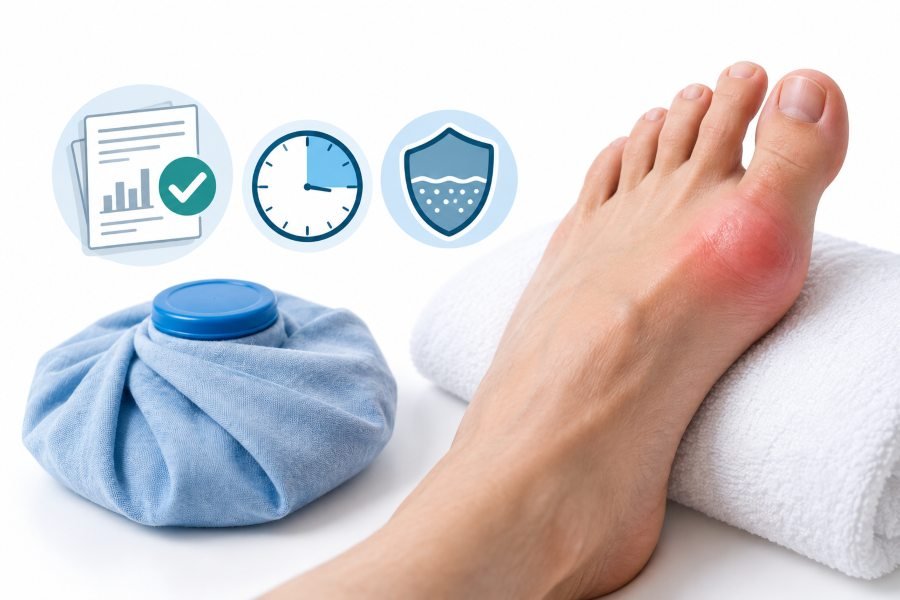
Next, reach for ice. Wrap an ice pack or a bag of frozen peas in a thin towel and hold it on the joint for around 20 minutes, then take it off and let the skin warm up before repeating. Never put ice straight on bare skin. This is one of the few home measures with actual trial evidence behind it, which we cover below.
Then rest the joint and raise it. Lie down or sit with your foot propped on pillows above the level of your hip, which can ease throbbing and swelling. Take the pressure off, too. Many people find it helps to keep bedsheets off the toe by making a small tent with a pillow or a box at the end of the bed, since even that light weight can be agonizing.
Finally, drink some water, and avoid alcohol, especially beer, and sugary drinks while the flare is active.
None of these steps will make the pain disappear in 10 minutes. But together, they are the fastest safe route to relief, and they can shorten how long the attack lasts.
How Fast Should You Expect Relief?
How Fast Should You Expect Relief?
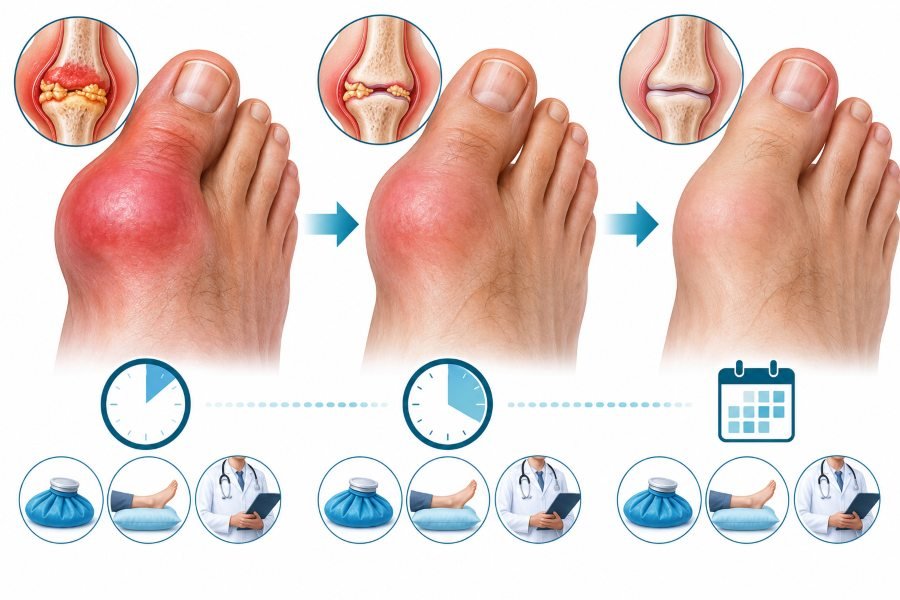
Being clear about timing can take away some of the panic. Ice may take the edge off the pain within minutes of application. Anti-inflammatory medicines usually start easing pain within a few hours, with steady improvement over the next day or two. Most treated flares settle within several days to about a week. Without any treatment, an attack can drag on for one to two weeks or longer.
If you are taking medicine and see no improvement at all after two to three days, or if things are getting worse, contact your doctor. You may need a different medicine, a stronger dose, or a steroid injection into the joint.
Medicines That Treat A Flare
It is worth knowing a little about each option so you can have a clear conversation with your doctor.
Colchicine is one of the oldest gout medicines still in use and works best when taken early in a flare. Doses matter a great deal here. A key trial comparing high and low doses of colchicine for early gout flares found that the low-dose approach worked about as well as the high-dose one but caused far fewer stomach side effects like diarrhea and vomiting. Following that, the ACR guideline strongly favors low-dose colchicine. Colchicine interacts with several common medicines, including some antibiotics, heart drugs, and statins, and it needs dose adjustments if you have kidney or liver problems. Never take more than your prescribed amount to try to make it work faster, because colchicine overdose is dangerous.
NSAIDs such as naproxen or ibuprofen reduce pain and inflammation. They are not suitable for everyone, including people with kidney disease, stomach ulcers, heart failure, or those taking blood thinners, so check with a doctor or pharmacist first if any of these apply. One important note: avoid aspirin for gout pain, as it can affect uric acid levels and is not a recommended flare treatment.
Steroids can be taken as tablets for a few days, given as an injection into a muscle, or injected directly into the affected joint. They are often a good choice for people who cannot take colchicine or NSAIDs.
For a first-ever attack, you will need a proper diagnosis before any of these are started, which is covered in the section on when to get help.
What The Evidence Says About Ice
What The Evidence Says About Ice
Ice is often dismissed as an old wives’ remedy, but for gout it has some real support. In a small randomized trial published in the Journal of Rheumatology, researchers compared people with acute gout who received standard medicines plus local ice therapy for gout attacks against people who received the same medicines without ice. The ice group had a significantly greater drop in pain over one week.
The study was small, with only 19 people, so it is not the final word. But it was enough for the ACR guideline to conditionally recommend topical ice as an add-on to medical treatment during flares. Think of ice as a helper that boosts your main treatment, not a substitute for it.
Popular Quick Fixes And Home Remedies
Search results for a 10-minute gout cure are full of kitchen remedies. Some have a little evidence behind them, some have none, and a few can cause harm. Here is a fair summary.
Remedy
What the evidence shows
Bottom line
Ice on the joint
Small trial showed better pain relief alongside medicines
Worth doing, wrapped, around 20 minutes at a time
Cherries or cherry extract
Linked with fewer future flares in an observational study
May help prevent attacks; does not stop one in progress
Drinking water
Supports kidneys in clearing uric acid
Sensible, but not a rapid fix
Apple cider vinegar
No good human studies for gout
Unproven; can irritate the stomach and teeth
Baking soda in water
No reliable evidence for gout; high sodium load
Not recommended, especially with heart, kidney, or blood pressure problems
Lemon juice, celery seed, turmeric
Little or no clinical evidence for treating flares
Unlikely to help much; check interactions before using supplements
Cherries deserve a closer look because they come up so often. In a year-long study of 633 people with gout, eating cherries over a two-day period was linked with a 35% lower risk of a gout attack, and the risk was 75% lower when cherry intake was combined with allopurinol. You can read the full study on cherry consumption and gout attacks if you are interested. It was an observational study, so it shows a link rather than proof, and the authors called for proper clinical trials. It is also about preventing future attacks, not stopping one already underway. A bowl of cherries is a pleasant, low-risk habit to add, but it will not stand in for medicine during a flare.
Baking soda is one remedy to be cautious about. It is sometimes promoted online to “alkalize” the body, but it contains a lot of sodium, which can raise blood pressure and strain the heart and kidneys, and taking large amounts can upset the body’s acid balance. Many people with gout already have high blood pressure or kidney problems, which makes this a poor choice.
Risks Of Trying To Rush A Cure
Risks Of Trying To Rush A Cure
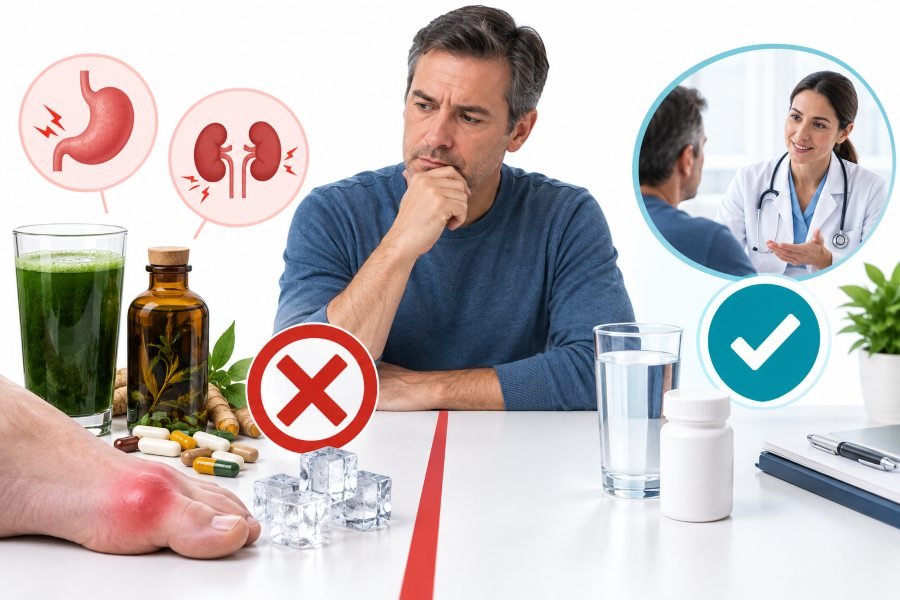
When you are in severe pain, it is tempting to double up on tablets or mix several remedies at once. This is where real harm can happen. Taking extra colchicine can cause severe diarrhea, vomiting, and, in overdose, dangerous effects on the blood, muscles, and organs. Combining different NSAIDs, or using them alongside blood thinners, raises the risk of stomach bleeding and kidney damage. Some supplements marketed for gout interact with prescription medicines.
Use one approach at a time, follow the doses on your prescription or packet, and if the pain is not controlled, contact a doctor or pharmacist rather than adding more.
When To Get Medical Help
A red, hot, swollen joint is not always gout. The most serious condition that can look like gout is a joint infection, called septic arthritis, which can damage the joint within days and needs urgent treatment.
Seek medical care the same day if you have a painful, swollen joint along with any of the following:
A fever, chills, or feeling generally very unwell
It is your first-ever attack, and you have not been diagnosed with gout
Several joints are affected at once
You have a joint replacement, a weakened immune system, or diabetes
The pain is not improving after two to three days of treatment, or is getting worse
Red streaks spreading from the joint, or an open wound nearby
A doctor may draw a small amount of fluid from the joint with a needle. Looking at that fluid under a microscope is the most reliable way to confirm gout crystals and rule out infection. Blood tests for uric acid help too, though levels can sometimes read normal during a flare.
The Mayo Clinic’s page on gout symptoms and when to see a doctor also advises seeking immediate care if a hot, inflamed joint comes with fever, since that can be a sign of infection.
Real Cure Is Lowering Uric Acid Over Time
Real Cure Is Lowering Uric Acid Over Time
This is the part many people never hear, and it is the most encouraging. If you get frequent flares, have lumps of crystals under the skin (called tophi), or have joint damage from gout on X-ray, long-term uric acid lowering treatment can dissolve crystals gradually and prevent attacks from returning.
The American College of Rheumatology’s announcement of its treat-to-target gout guideline explains the approach. Allopurinol is the preferred first medicine, including for people with chronic kidney disease. It is started at a low dose and raised step by step, with regular blood tests, until uric acid falls below 6 mg/dL. Because starting treatment can briefly stir up flares, doctors usually add a low dose of colchicine or another anti-inflammatory for at least three to six months to protect against this.
These medicines are taken every day, even when you feel well, and stopping them usually lets uric acid rise again. That can feel like a big commitment, but for many people, it means going from painful flares every few months to none at all. If you have had more than one attack, it is worth asking your doctor whether this treatment is right for you.
Everyday Habits That Help Keep Flares Away
Medicine does most of the heavy lifting in gout, but daily habits can support it. The National Institute of Arthritis and Musculoskeletal and Skin Diseases outlines several in its overview of gout and how to manage it, including limiting alcohol, keeping a healthy weight, and staying hydrated.
In practical terms, that means cutting back on beer and spirits, avoiding sugary drinks sweetened with high-fructose corn syrup, and going easy on organ meats like liver and kidney, as well as large portions of red meat and some shellfish. Low-fat dairy, vegetables, whole grains, and plenty of water are good everyday choices. If you are carrying extra weight, gradual weight loss can lower uric acid, but avoid crash diets or fasting, which can trigger flares.
It also helps to review your other medicines with your doctor. Some water pills (diuretics) used for blood pressure can raise uric acid, and sometimes a switch to a different medicine is possible.
Caring For Yourself Between Flares
Gout is often joked about as a disease of overindulgence, and that stigma can make people feel embarrassed to seek help. The truth is that genetics, kidney function, other health conditions, and medicines all play a big part, and gout is a real, treatable form of arthritis. It is also linked to high blood pressure, kidney disease, diabetes, and heart disease, so regular check-ups do double duty in protecting your wider health.
Keep a simple note of when flares happen and what came before them, as this can help you and your doctor spot patterns. Make a flare plan together, so you know exactly what to take and when, and keep those medicines somewhere easy to reach. And if gout pain is affecting your sleep, work, or mood, say so. With the right plan, most people with gout can get back to living without the constant worry of the next attack.
Disclaimer
This article is for general information only and does not replace advice from a doctor, pharmacist, or other qualified health professional. Do not start, stop, or change any medicine without speaking to your healthcare provider. If you have a hot, swollen joint with fever, or you feel very unwell, seek urgent medical care.
References
FitzGerald JD, Dalbeth N, Mikuls T, et al. 2020 American College of Rheumatology guideline for the management of gout. Arthritis Care & Research. 2020;72(6):744-760. doi:10.1002/acr.24180
Schlesinger N, Detry MA, Holland BK, et al. Local ice therapy during bouts of acute gouty arthritis. Journal of Rheumatology. 2002;29(2):331-334. PMID: 11838852
Terkeltaub RA, Furst DE, Bennett K, Kook KA, Crockett RS, Davis MW. High versus low dosing of oral colchicine for early acute gout flare. Arthritis & Rheumatism. 2010;62(4):1060-1068. doi:10.1002/art.27327
Zhang Y, Neogi T, Chen C, Chaisson C, Hunter DJ, Choi HK. Cherry consumption and decreased risk of recurrent gout attacks. Arthritis & Rheumatism. 2012;64(12):4004-4011. doi:10.1002/art.34677
About Dr. Himanshu Aggarwal Reputed rheumatologist
Dr. Himanshu Aggarwal is a rheumatologist specializing in diagnosing and managing arthritis, autoimmune diseases, and musculoskeletal conditions.




 Cardiologist